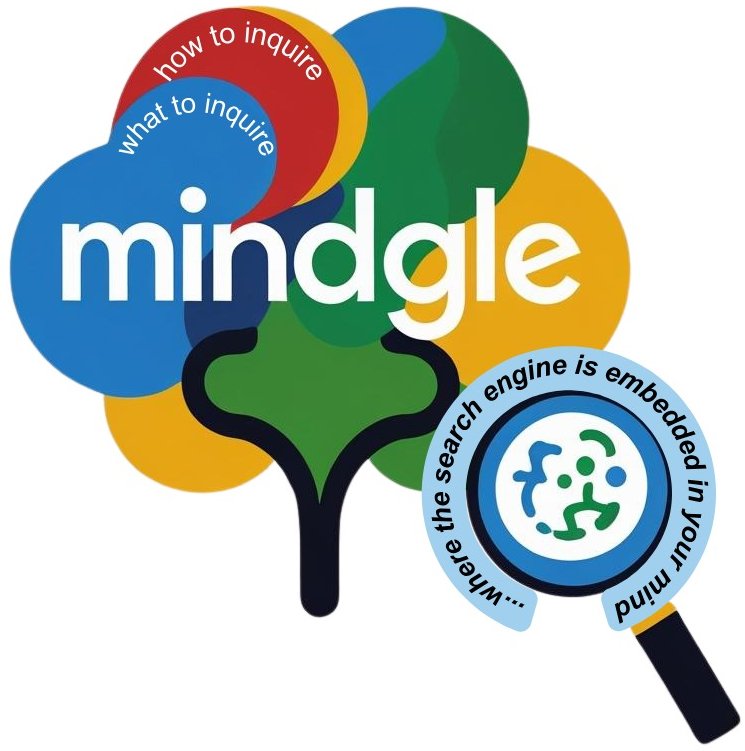
Mindgle is a learner-centred framework that helps individuals transform raw curiosity into meaningful inquiry, inquiry into robust knowledge, and knowledge into ethical, compassionate, and responsible action.
Mindgle was created in response to one of the defining educational questions of our time:
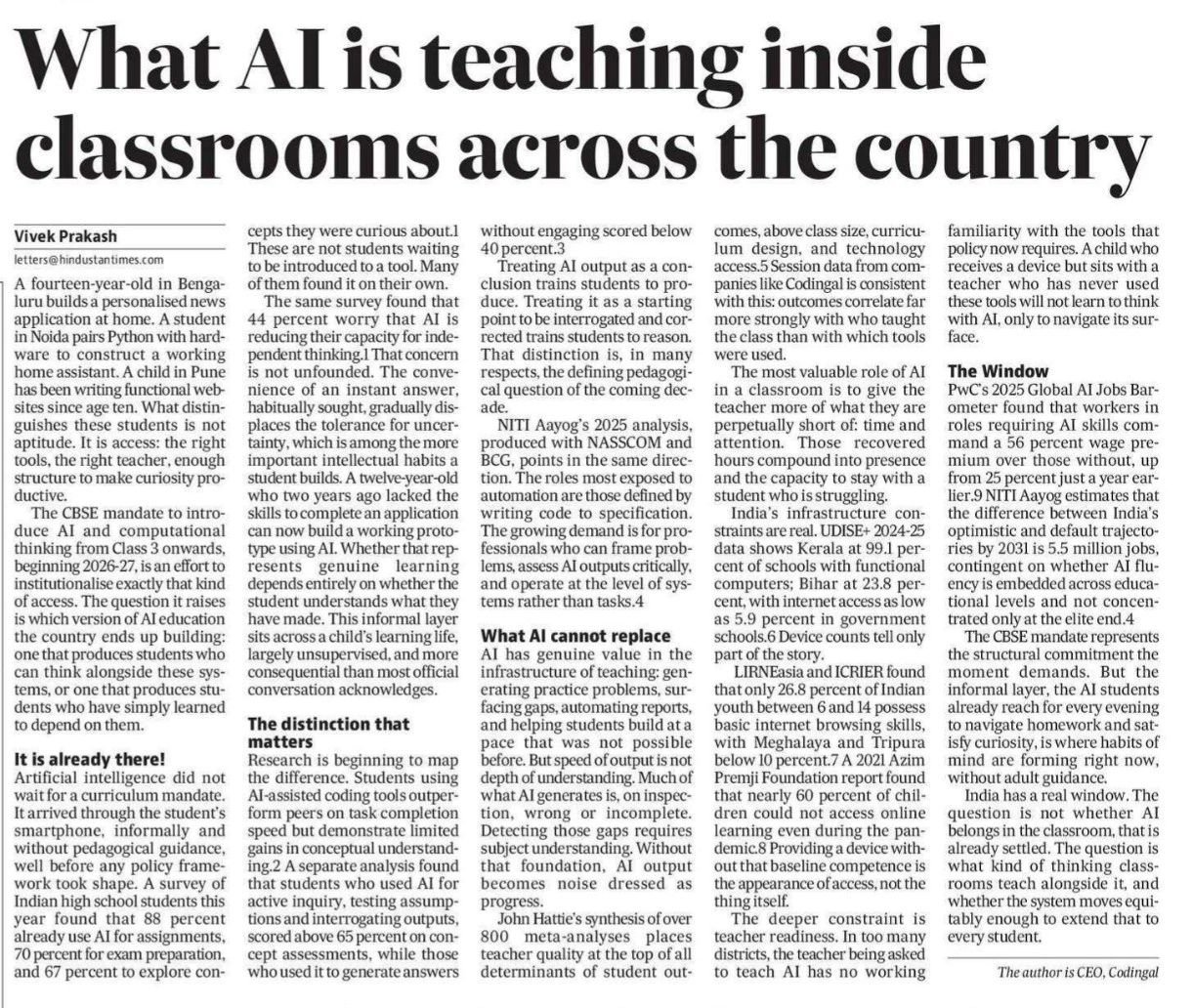
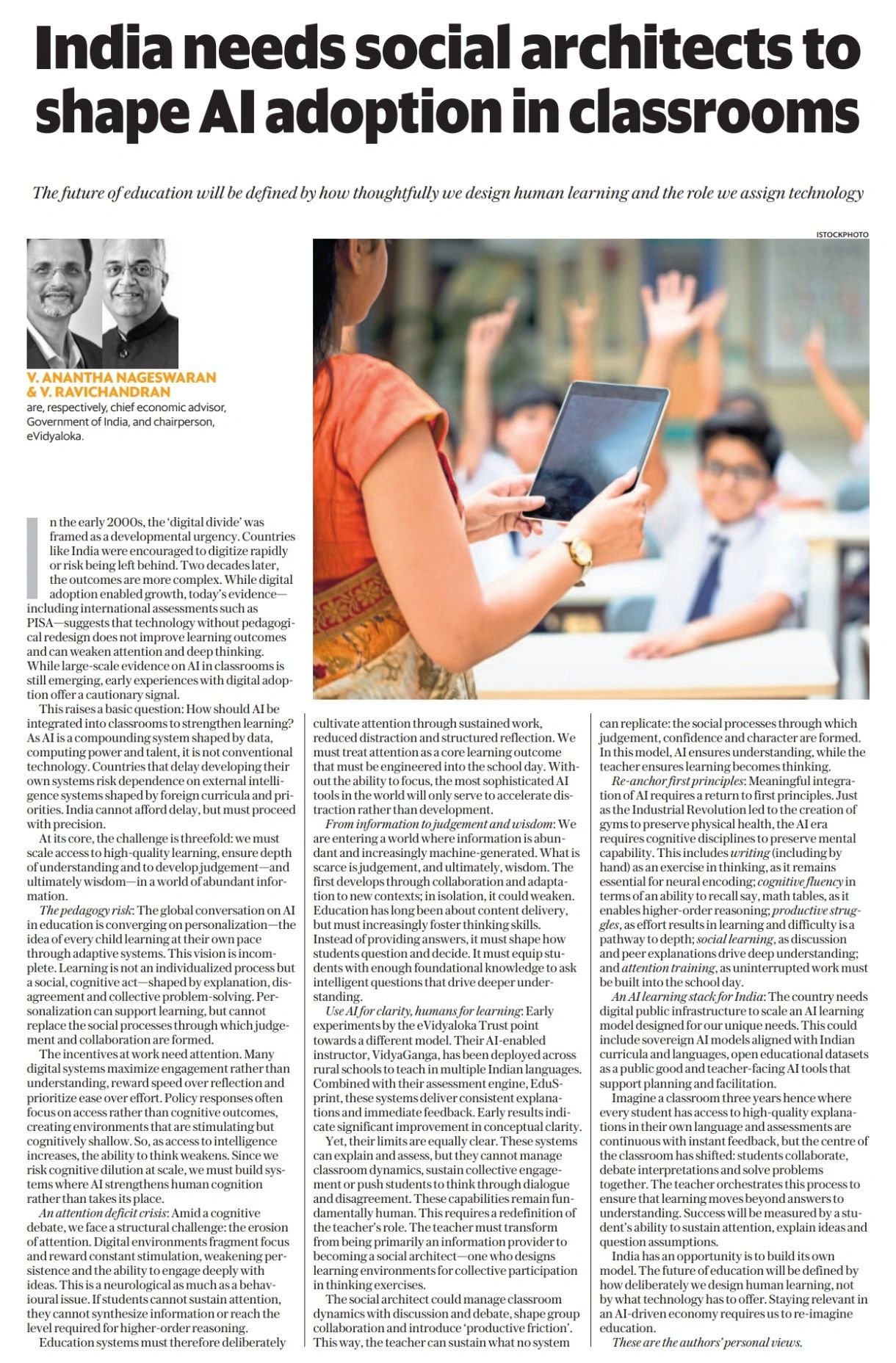
How do we strengthen human thinking, learner agency, reflection, ethics, empathy, and inquiry in a world where information is abundant and Artificial Intelligence is increasingly capable?
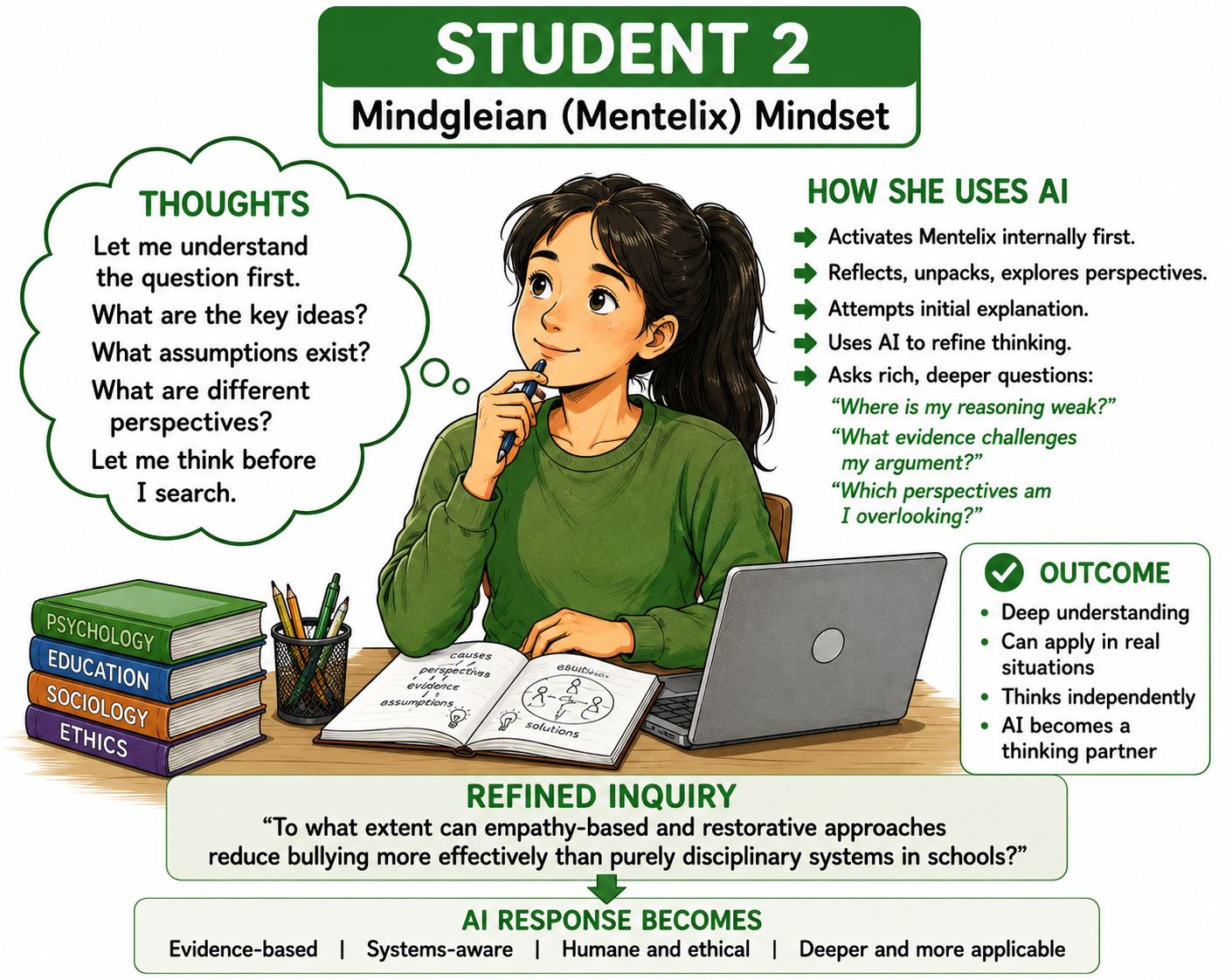
While AI can generate information, summarise research, and produce answers within seconds, meaningful learning has never depended solely on access to information. It depends on the quality of the questions we ask, the assumptions we examine, the perspectives we explore, the evidence we evaluate, the biases we recognise, and the ethical judgments we make. Mindgle therefore encourages learners to think before they search, design inquiry before they prompt, and reflect before they conclude.
At the heart of Mindgle lies a simple but powerful belief: **Artificial Intelligence should amplify Natural Intelligence, not replace it. Rather than positioning AI as a substitute for human thinking, Mindgle positions it as a collaborative research partner guided by disciplined cognition, metacognition, ethical reasoning, emotional intelligence, and reflective inquiry. The learner’s mind always remains the primary architect of knowledge.
Mindgle equips learners with a structured cognitive journey that integrates inquiry architecture, prompt orchestration, systems thinking, cognitive bias awareness, epistemology, emotional intelligence, ethical reflection, and learner agency. Through this process, learners develop the capacity to move beyond simply retrieving information toward constructing knowledge that is intellectually rigorous, contextually meaningful, and socially responsible.
Unlike programmes delivered as one-time interventions, Mindgle is designed as a school-embedded ecosystem. It empowers mentors to cultivate cultures of inquiry within everyday teaching and learning, allowing curiosity, reflection, dialogue, and knowledge construction to become enduring habits rather than isolated activities. Its flexible design enables implementation across educational systems, cultures, languages, and age groups.
Mindgle draws inspiration from a broad convergence of educational thought, including UNESCO’s vision for human-centred futures, the OECD Learning Compass, UNICEF’s emphasis on learner empowerment, India’s National Education Policy 2020, Rabindranath Tagore’s philosophy of holistic and experiential learning, Indigenous ways of knowing, and contemporary conversations surrounding Artificial Intelligence and education. These influences are not replicated individually but woven together into a unified cognitive architecture for modern learners.
Ultimately, Mindgle is more than a framework for inquiry or a model for AI integration. It is a philosophy of learning that seeks to cultivate self-directed, reflective, compassionate, emotionally intelligent, and ethically responsible human beings. Its purpose is not merely to prepare learners for examinations or careers, but to help them become thoughtful architects of knowledge capable of contributing meaningfully to a more humane, sustainable, and interconnected world.
Why Mindgle exists
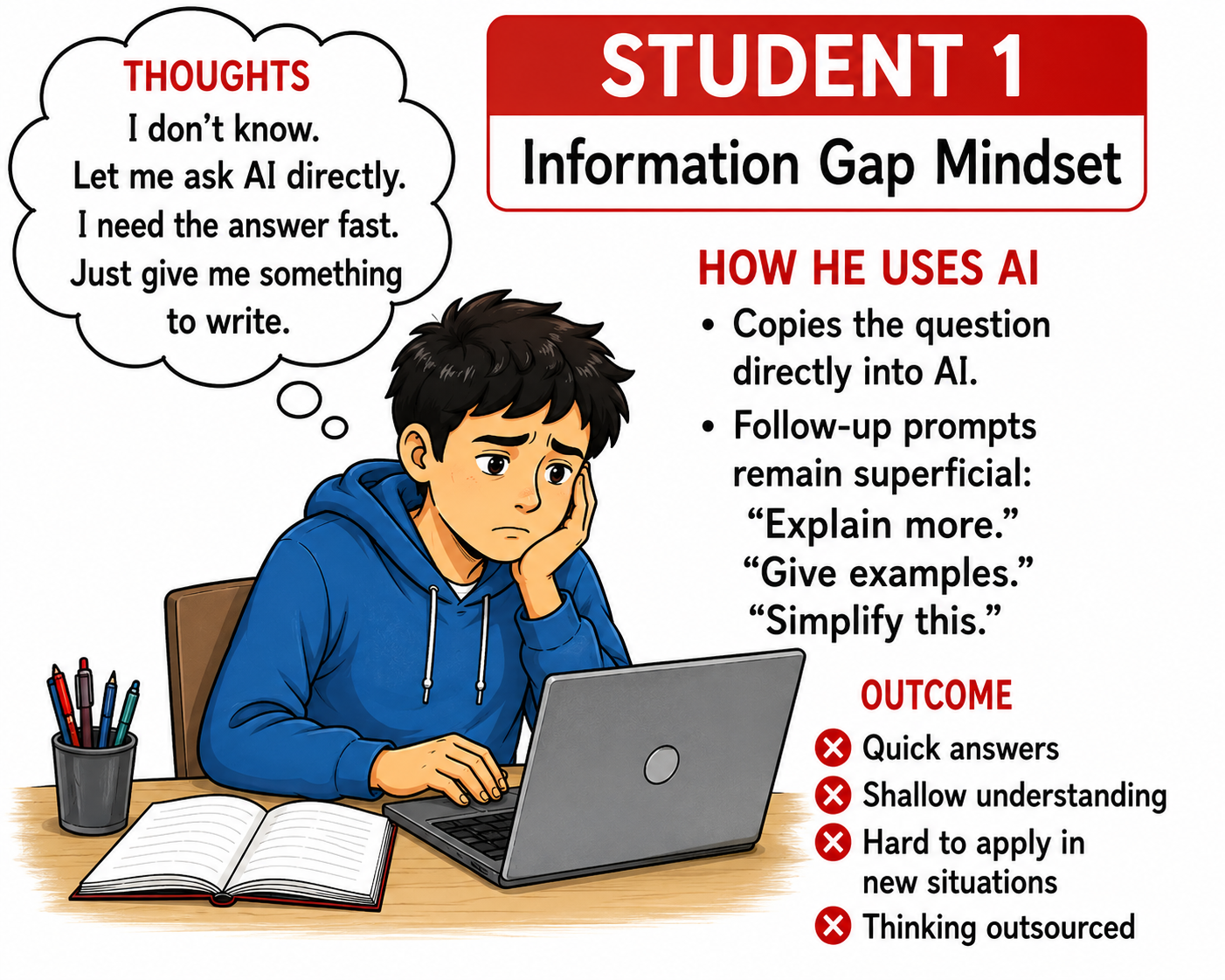
Artificial Intelligence can generate answers in seconds, but meaningful learning has never depended on answers alone. It depends on the ability to ask thoughtful questions, think critically, reflect deeply, evaluate evidence, and make ethical judgments. As learners increasingly turn to AI before activating their own thinking, there is a growing risk that inquiry becomes outsourced rather than developed.
Mindgle was created to address this challenge. It teaches learners to think before they search, placing human cognition—not artificial intelligence—at the centre of inquiry. By strengthening curiosity, reflection, metacognition, ethical reasoning, and learner agency, Mindgle transforms AI from a shortcut into a collaborative partner, ensuring that technology amplifies human intelligence rather than replaces it.