These cases represent different forms of peace disruption
By the end of this module, Mindgleians will learn to transform emotionally loaded raw questions into humanising RIQs; distinguish people from governments and armed actors; detect dehumanisation and collective blame; verify and triangulate evidence; expose missing voices and power; test assumptions, counterclaims and alternative explanations; apply consistent ethical standards; and turn defensible knowledge into responsible peace action.
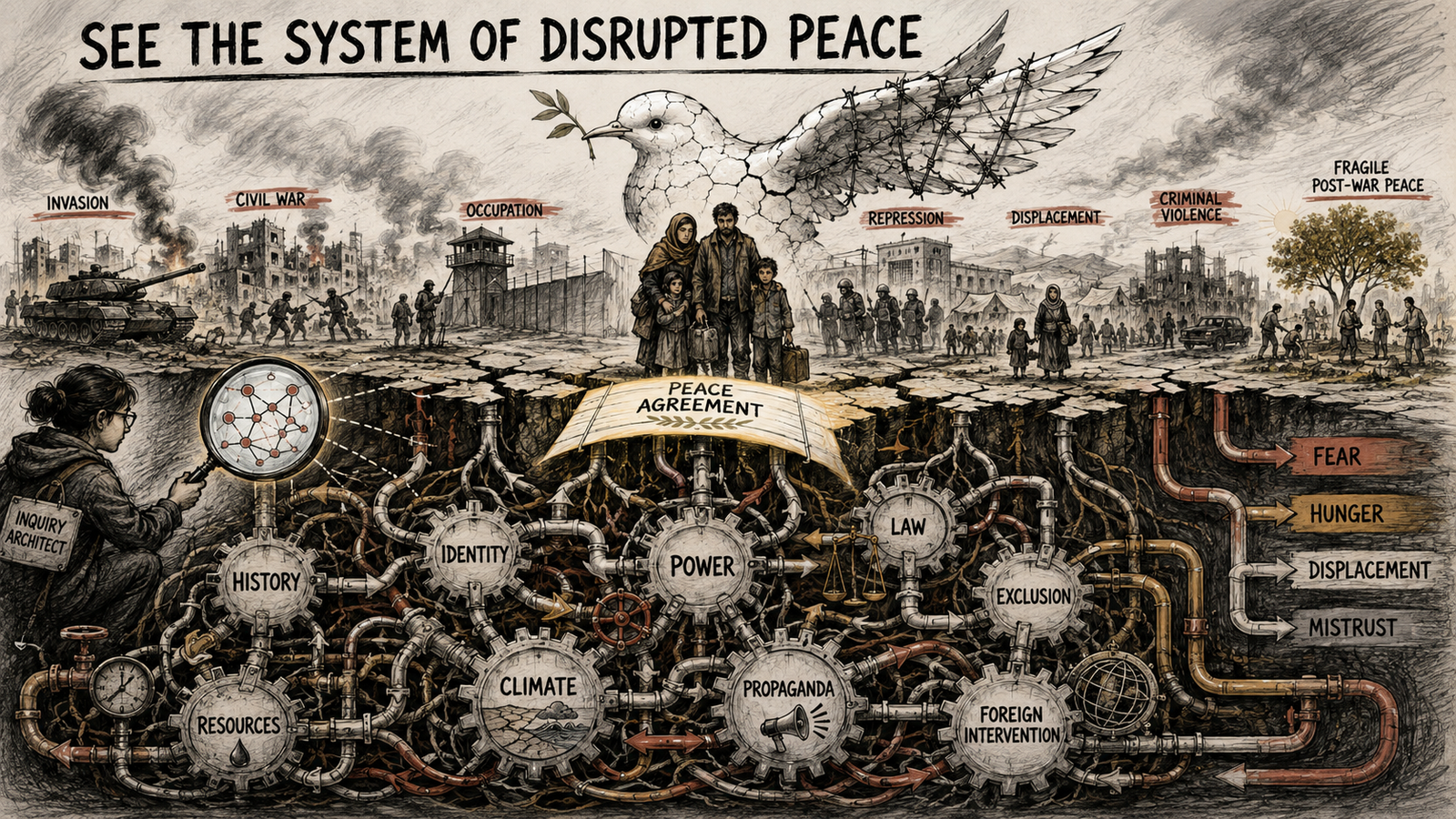
Unit 2 develops the learner’s capacity to see the systems beneath disrupted peace. Learners move beyond understanding peace only as the absence of war and investigate how it may also be fractured within a body, home, school, workplace, community or ecosystem. Disruption may surface through sexual abuse, femicide, prenatal sex selection against female foetuses, domestic violence, adolescent access to firearms, peer coercion into drugs or crime, labour exploitation, institutional silence, political repression, discrimination and environmental destruction caused by human activity. When conflict, persecution, climate disruption or collapsing systems force people from their homes, peace is disrupted far beyond physical displacement. Across places such as Kakuma and Dadaab in Kenya, Za’atari in Jordan, Bidi Bidi in Uganda and Cox’s Bazar in Bangladesh, displaced learners may lose not only homes but also the continuity of schooling, relationships, language, identity, voice and the freedom to imagine a future. Yet education can travel across these disrupted borders—through refugee educators, temporary classrooms, community learning spaces, radio lessons, mobile technology and globally connected projects.
Learners trace how history, identity, gender, power, law, profit, inequality, social pressure, institutional protection, cultural norms, technology and environmental decisions interact to enable harm and distribute safety unequally. By examining causes, consequences, feedback loops and policy responses across regions, learners recognise that arresting one offender, passing one law or ending visible violence may not repair the system beneath it. They learn to ask not only what happened and who acted, but what conditions permitted the harm, who was protected or silenced, who benefited, why intervention failed, and where the system could be disrupted before violence occurs again.
These learners are not nomads moving voluntarily through a traditional way of life. They are people forced to move because remaining at home became dangerous or impossible. Their displacement interrupts far more than residence: it fractures education, relationships, language, cultural continuity, legal identity and the confidence to imagine a future. The following places reveal how differently peace may be disrupted—and why restoring education is inseparable from restoring dignity and agency.
Across all five settings, bringing education to displaced communities is not a charitable addition to emergency relief. It is an essential act of peace restoration. Education reconnects the learner’s past with the present, converts waiting into purposeful growth and returns a measure of choice where violence and displacement have narrowed it. A shelter may protect a learner’s life; education helps that learner reclaim its direction.
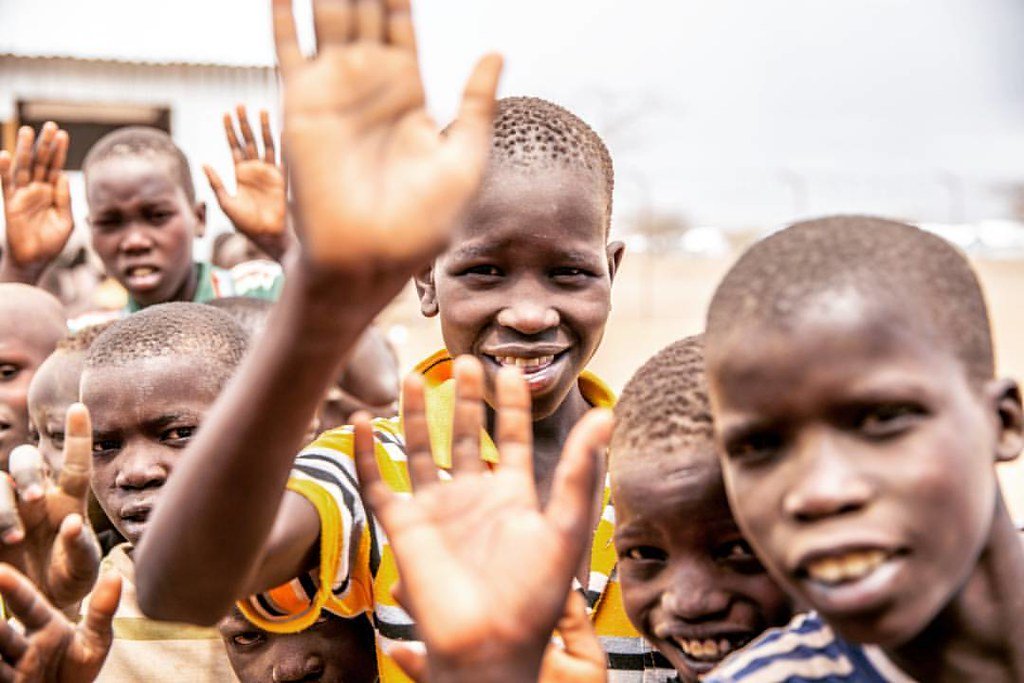 Kakuma was established in 1992 for people fleeing Sudan’s civil war and subsequently received refugees from South Sudan, Somalia, the Democratic Republic of the Congo and other conflict-affected countries. Many learners arrived after separation from family, interrupted schooling or prolonged journeys across borders. As temporary refuge became a multigenerational community, disrupted peace came to mean more than escaping immediate violence: it also meant living with uncertain qualifications, restricted opportunities and no clear timeline for return. Schools, refugee educators, accelerated learning and connected university programmes therefore do more than deliver a curriculum—they restore intellectual continuity and enable learners to see themselves as future teachers, professionals, entrepreneurs and community leaders.
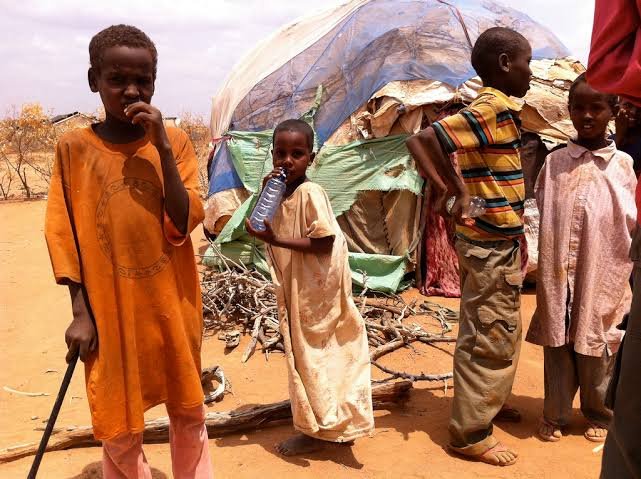
Dadaab emerged in 1991 as Somali families fled civil war and state collapse; later movements, particularly in 2011, were driven by the combined pressures of continuing conflict, drought, food insecurity and famine. This interaction is important: drought intensified suffering, but armed insecurity and collapsing systems made it difficult for people to remain safely at home or access assistance. For children born or raised in Dadaab, disrupted peace may mean spending an entire childhood inside a place originally designed as temporary refuge. Education provides routine, protection and recognised learning, while refugee-led schools and digital programmes challenge the assumption that displaced communities are merely recipients of outside assistance. They demonstrate that refugees also design, govern and sustain knowledge systems.
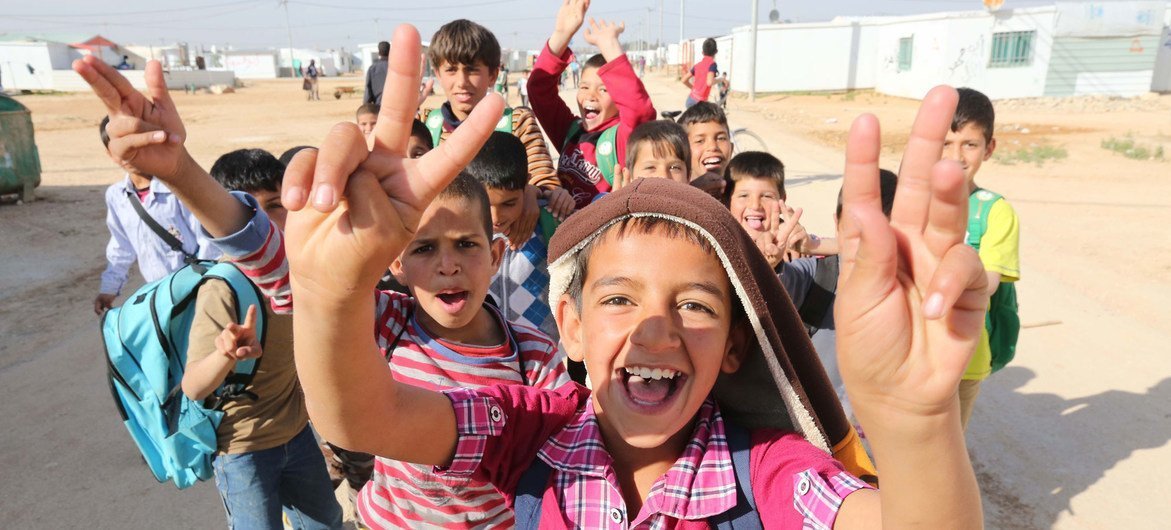
Za’atari opened in 2012 as Syrian families crossed into Jordan to escape escalating war, bombardment, detention risks and the collapse of everyday services. Many arrived believing that their displacement would last only briefly, yet the camp gradually developed streets, markets, schools and community institutions. For learners, the loss was not confined to a physical classroom; it included familiar teachers, neighbourhoods, friendships, school records and the certainty that education would continue uninterrupted. Schools and refugee-led initiatives rebuild a rhythm of life in which young people can learn, participate and assume responsibility. Za’atari consequently shows that peace is not restored merely when a learner reaches safety—it begins to return when that learner can once again belong, contribute and imagine adulthood.
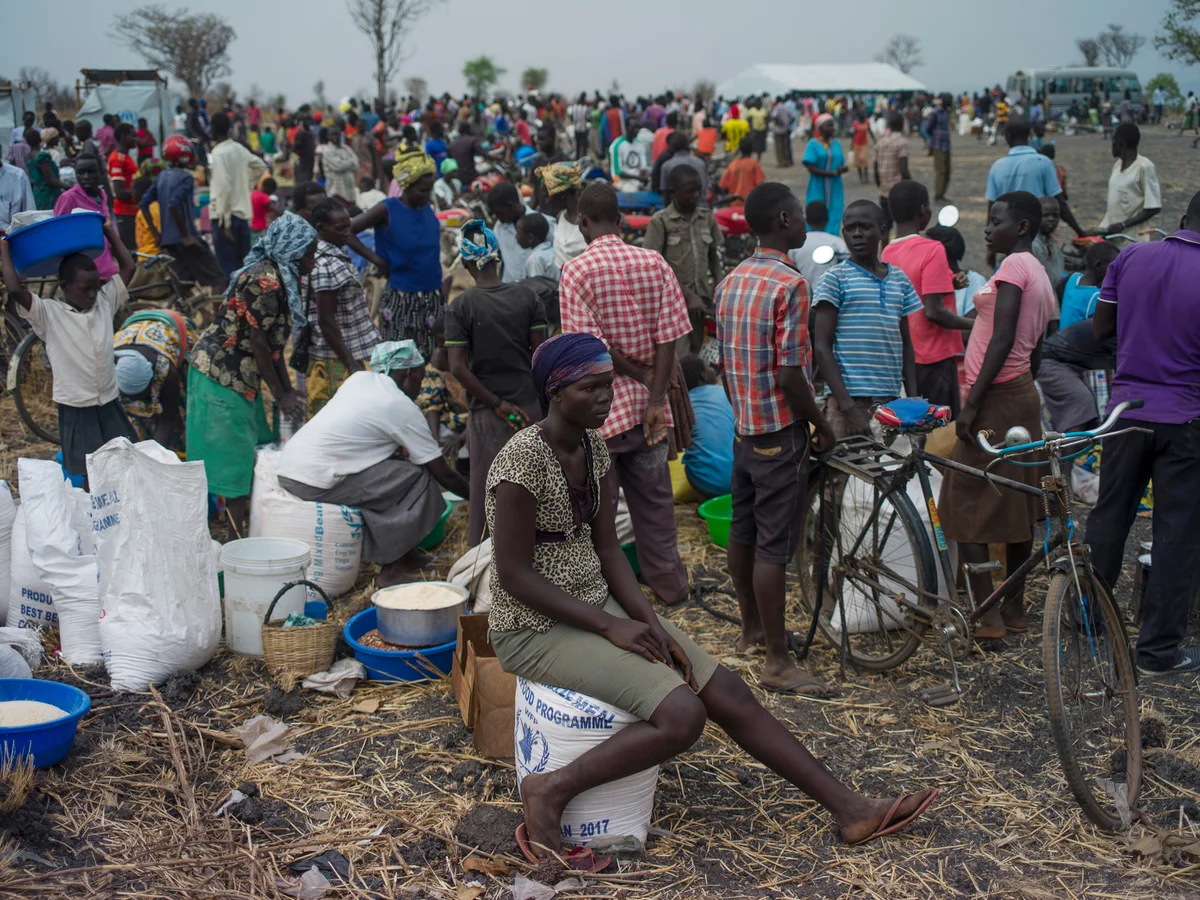 Bidi Bidi expanded rapidly in 2016 when South Sudan’s conflict spread into the Equatoria region and large numbers of families crossed into northern Uganda. The sudden movement placed enormous pressure on classrooms, teachers, water systems and other services shared by refugees and host communities. Yet Uganda’s settlement approach also created possibilities for movement, work, cultivation and participation. Schools attended by both refugee and Ugandan learners can become spaces where peace is rebuilt through everyday coexistence rather than taught only as an abstract ideal. In Bidi Bidi, education restores more than interrupted lessons: it creates relationships between displaced and host communities and allows learners to recover competence, belonging and a role in shaping their new environment.
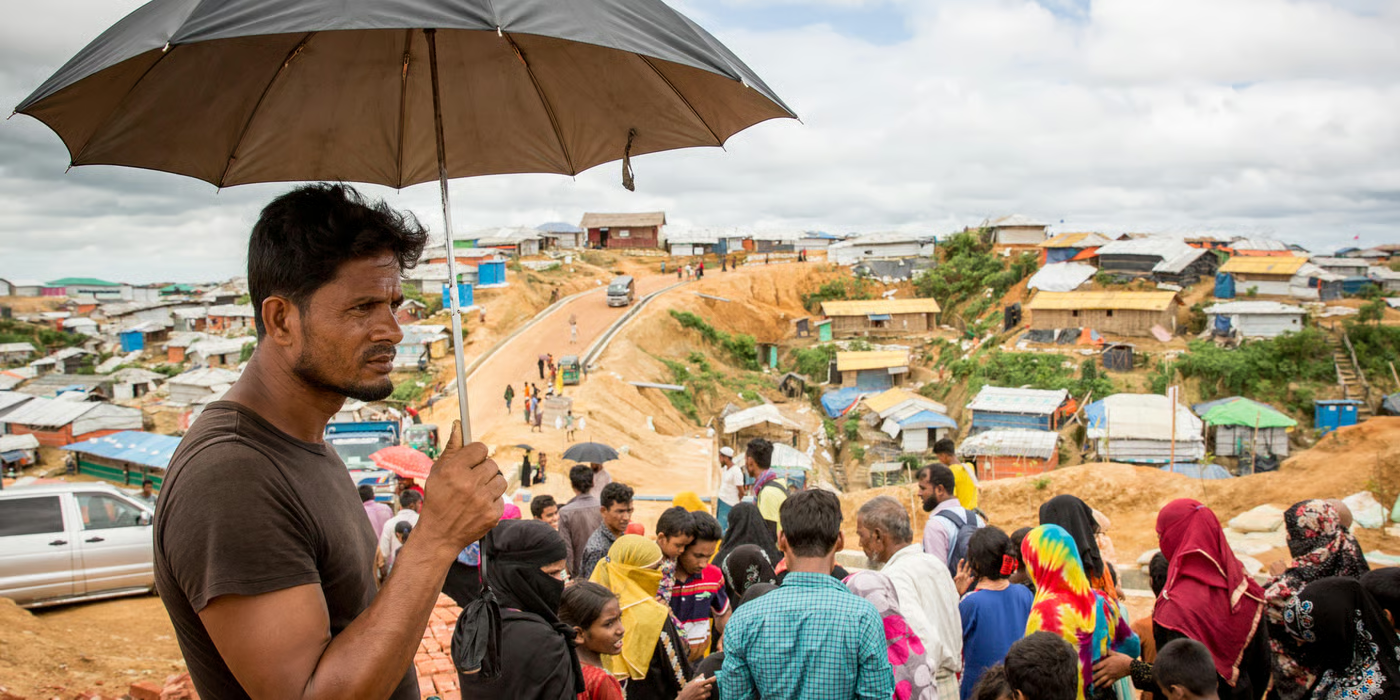
The Rohingya displacement to Cox’s Bazar cannot be understood only through the violence of 2017. It emerged from a longer history of denied citizenship, restricted movement, discrimination, persecution and repeated human-rights violations in Myanmar. Mass violence triggered an enormous movement into Bangladesh, where learners entered densely populated camps while carrying the additional burden of statelessness. Their disrupted peace includes the loss of legal recognition, accredited schooling, mobility and confidence that their achievements will be recognised anywhere. Learning centres, community educators and access to the Myanmar curriculum help preserve language, identity and educational continuity. In this context, education resists erasure: it tells every Rohingya learner that the denial of citizenship must not become the denial of knowledge, memory or a future.
Global Peace-Disruption Case Bank
Peace disruption is not one uniform condition. It may appear as invasion, civil war, occupation, armed insurgency, political repression, organised criminal violence, forced displacement, unresolved territorial division or the fragile aftermath of war. A country’s inclusion in a UN humanitarian plan does not automatically mean that it is at war.
This case bank draws its coverage from the UN Global Humanitarian Overview 2026, current UN peacekeeping operations, UN special political missions and the UN’s wider work on international peace and security.
The cases must not be used to rank suffering or force political equivalence. They allow learners to investigate how different combinations of history, identity, power, intervention, law, exclusion, resources, climate, propaganda and lived experience disrupt peace.
A. Asia and the Middle East
Country or territory Historical entry point What the dominant narrative may hide Possible Refined Inquiry Question Afghanistan Soviet intervention, civil war, Taliban rule, the 2001 international intervention, state-building efforts and the Taliban’s return in 2021 have shaped decades of insecurity and displacement. Afghan society is culturally and politically diverse; Afghans must not be reduced to victims, fighters or supporters of one authority. How have foreign intervention, internal power struggles and restrictions on education interacted to shape peace and agency in Afghanistan? Iraq Authoritarian rule, the Iran–Iraq War, sanctions, the 1991 Gulf War, the 2003 US-led invasion, institutional breakdown, sectarian violence and ISIL shaped modern Iraq. A one-cause explanation can erase earlier conditions, international responsibility, Iraqi political actors and civilian agency. How did the 2003 invasion and post-invasion decisions interact with Iraq’s earlier political conditions to shape later violence? Iran The 1979 Revolution transformed Iran’s political system. Nuclear disputes, sanctions, regional rivalry, security policies and struggles over political and social rights continue to influence its development. Iran is not identical to its government; Iranian women, young people, minorities, state supporters and diaspora communities hold different experiences and positions. How do competing definitions of security, sovereignty and human rights shape Iran’s domestic and international relationships? Israel–Palestine The history includes Ottoman and British Mandate rule, Jewish and Palestinian national movements, the Holocaust, the 1948 war and Palestinian Nakba, the 1967 occupation, failed peace processes, attacks on civilians, hostage-taking and repeated hostilities. Beginning the history on only one date can erase earlier experiences; governments, armed groups and civilians must never be treated as interchangeable. How do historical memory, occupation, security, displacement and political power interact to shape civilian insecurity for Israelis and Palestinians? Syria The 2011 uprising, state repression, civil war, armed groups, foreign intervention and mass displacement produced more than a decade of devastation, followed by an uncertain political transition. “Government versus rebels” cannot explain the number of actors, foreign interests, ethnic communities and changing alliances involved. How did internal grievances and foreign intervention combine to prolong the Syrian conflict? Yemen Political transition after the Arab Spring collapsed; the Houthi takeover, regional military intervention, internal divisions and economic breakdown produced a prolonged humanitarian crisis. Describing the conflict only as a Sunni–Shia struggle hides governance failures, local identities, economic interests and civilian survival. How have domestic power struggles and regional intervention interacted to prolong Yemen’s humanitarian crisis? Lebanon The 1975–1990 civil war, sectarian power-sharing, regional intervention, the 2006 war, economic collapse and cross-border hostilities continue to affect stability. Lebanon’s communities are internally diverse and cannot be reduced to religious blocs or regional proxies. How does a power-sharing system intended to prevent conflict sometimes preserve the divisions it was designed to manage? Libya Authoritarian rule under Muammar Gaddafi ended during the 2011 uprising and international intervention, but competing governments, militias and foreign interests fragmented political authority. The removal of one ruler did not automatically create legitimate institutions, security or social trust. Why did regime change in Libya fail to produce an immediately stable and accountable political system? Myanmar Decades of military rule and ethnic armed conflict were followed by the forced displacement of many Rohingya in 2017 and the 2021 military coup, which intensified nationwide resistance and violence. “Military versus democracy” can obscure ethnic histories, minority voices, competing resistance groups and earlier discrimination. How do military power, ethnic exclusion and competing ideas of national identity sustain conflict in Myanmar? Pakistan Pakistan faces political instability, extremist violence, displacement, regional security pressures and climate emergencies that interact with longstanding social and economic inequalities. A security-only account may overlook local communities, education, poverty, climate vulnerability and the consequences of regional conflicts. How do security policies, inequality and climate displacement interact to influence social peace in Pakistan? Sri Lanka Ethnic and linguistic tensions contributed to a civil war between the state and the LTTE from 1983 to 2009; questions concerning memory, accountability, reconciliation and economic security remain. The military end of a war does not automatically repair trauma, inequality or mistrust. What must happen after armed violence ends for different communities to experience genuine reconciliation? B. Europe and Protracted Territorial Disputes
Country or territory Historical entry point What the dominant narrative may hide Possible Refined Inquiry Question Ukraine Tensions intensified after Russia’s annexation of Crimea and conflict in eastern Ukraine in 2014; Russia launched its full-scale invasion in February 2022. A purely military account may hide civilian life, occupation, displacement, historical narratives, information warfare and global consequences. How are history, sovereignty, security claims and information warfare used to justify or challenge Russia’s invasion of Ukraine? Cyprus Conflict between Greek Cypriot and Turkish Cypriot communities, external intervention and the island’s division in 1974 produced a continuing UN-monitored buffer zone. The absence of full-scale war does not mean that displacement, separation and unresolved memory have disappeared. Can a society be considered peaceful when organised violence has stopped but political division remains unresolved? Kosovo The dissolution of Yugoslavia, repression, the 1998–1999 war, NATO intervention and Kosovo’s later declaration of independence produced a status still contested by Serbia and some states. Competing narratives may begin with different moments and describe the same actors as liberators, separatists, victims or aggressors. How does the chosen historical starting point change interpretations of sovereignty and self-determination in Kosovo? C. Africa
Country or region Historical entry point What the dominant narrative may hide Possible Refined Inquiry Question Sudan Colonial legacies, civil wars, conflict in Darfur, the secession of South Sudan, the 2019 revolution and the 2023 war between the Sudanese Armed Forces and Rapid Support Forces produced massive displacement and hunger. Treating the war as a rivalry between two generals hides civilian movements, regional inequalities, ethnic violence and foreign interests. How did militarised power structures obstruct Sudan’s transition from popular revolution to civilian government? South Sudan South Sudan gained independence in 2011 after decades of war, but political rivalry led to civil conflict in 2013, displacement and continuing local violence despite peace agreements. Independence alone could not overcome militarisation, weak institutions, elite rivalry and unresolved community grievances. Why did political independence fail to produce immediate positive peace in South Sudan? Democratic Republic of the Congo Colonial exploitation, dictatorship, regional wars, competition over resources and numerous armed groups have produced prolonged conflict, especially in eastern DRC. Explaining the conflict as simply “tribal” hides colonial history, regional intervention, political power and international mineral supply chains. How do local insecurity, neighbouring states and global demand for minerals interact in eastern DRC? Central African Republic Repeated coups, weak institutions, armed groups, community violence and foreign involvement have produced recurrent displacement and a continuing UN peacekeeping presence. Religious labels alone cannot explain political exclusion, economic interests, local alliances and struggles over territory. How do weak state institutions and competition over local authority allow armed groups to retain power? Somalia State collapse in 1991, clan politics, warlordism, Al-Shabaab, foreign intervention, drought and repeated displacement have shaped a prolonged crisis. Describing Somalia only through terrorism hides community governance, peacebuilding, business networks and environmental pressures. How do weak institutions, armed violence and climate stress reinforce one another in Somalia? Ethiopia Federal ethnic tensions, contested political reform and the 2020–2022 Tigray war caused large-scale civilian suffering; tensions and insecurity continue in other regions. National accounts may minimise the different experiences of Tigrayan, Amhara, Oromo and other communities. How does a federal system manage—and sometimes intensify—competing claims to identity, territory and political power? Burkina Faso Armed insurgencies expanded across the Sahel amid weak state presence, displacement, political coups and declining public trust. A terrorism-only explanation may overlook local grievances, state abuses, poverty and unequal access to services. Why can military responses suppress immediate threats while failing to resolve the conditions that sustain insurgency? Mali Northern rebellions, the 2012 political crisis, extremist groups, foreign intervention and repeated coups weakened territorial control and civilian governance. “Extremism” alone does not explain neglected regions, intercommunity tensions, governance failures and mistrust of external intervention. How have unequal development and contested authority contributed to Mali’s recurring insecurity? Niger Regional insurgencies, poverty, climate pressures, displacement and the 2023 military coup disrupted constitutional rule and international security partnerships. External narratives often present Niger only through counterterrorism or migration rather than the experiences of its citizens. Whose understanding of security shapes policy in Niger—local communities, national authorities or external powers? Chad Chad experiences authoritarian politics, regional armed conflict, refugee movements, climate pressure and the effects of wars in neighbouring Sudan, Libya and the Central African Republic. A country may be both a host for displaced people and a society experiencing internal political and humanitarian fragility. How do neighbouring wars and internal governance pressures interact to affect peace in Chad? Nigeria and the Lake Chad Basin Boko Haram and ISWAP violence, state military responses, poverty, displacement and climate pressure affect Nigeria, Cameroon, Chad and Niger. “Religious extremism” alone does not explain unemployment, state absence, community grievances or the consequences of counterterrorism operations. How do armed ideology, governance failures and environmental insecurity reinforce violence in the Lake Chad Basin? Cameroon Conflict in the Anglophone regions grew from linguistic, legal and political grievances; the north also experiences spillover from Lake Chad violence. Calling the Anglophone crisis “separatism” alone may hide the historical and institutional roots of exclusion. How can unresolved language and representation grievances develop into armed conflict? Mozambique Mozambique’s earlier civil war ended in 1992, but an insurgency beginning in Cabo Delgado in 2017 has caused extensive displacement amid major resource projects. A terrorism-only narrative may conceal local poverty, exclusion, land concerns and unequal access to resource wealth. How does the discovery of valuable resources affect peace when surrounding communities remain economically excluded? Western Sahara Spain’s withdrawal in 1975 was followed by conflict between Morocco and the Polisario Front; the territory’s political status and self-determination remain unresolved under a UN mission. Maps may silently present a contested political claim as a settled fact. How can maps, names and borders communicate political claims before a learner reads any argument? Abyei Abyei remains disputed between Sudan and South Sudan, with unresolved questions concerning borders, identity, migration and resource access under UN monitoring. A border dispute on a map may conceal seasonal movement, community identity and access to land and water. How do fixed national borders interact with communities whose lives depend on movement across them? D. The Americas
Country or region Historical entry point What the dominant narrative may hide Possible Refined Inquiry Question Haiti Colonial exploitation, the financial burden imposed after independence, dictatorship, political instability, disasters, institutional collapse and organised gang violence have produced a severe crisis. Describing Haiti as naturally chaotic hides the historical and international systems that contributed to its fragility. How do historical extraction, weak institutions and organised criminal power interact in Haiti’s present crisis? Colombia Land inequality, political exclusion, guerrilla warfare, paramilitary violence and the drug economy sustained decades of conflict. The 2016 peace agreement reduced some violence, but armed groups and displacement persist. Signing a peace agreement does not automatically transform rural inequality, illegal economies or local insecurity. Why can national peace agreements succeed politically while remaining incomplete in local communities? Venezuela Political polarisation, institutional conflict, economic decline, sanctions and mass migration produced a prolonged social and humanitarian crisis. Accounts may attribute the entire crisis either to domestic government policy or to foreign pressure, ignoring interaction between them. How do domestic governance, economic dependence and international sanctions interact in Venezuela’s crisis? El Salvador, Guatemala and Honduras Civil-war legacies, inequality, organised crime, displacement, political instability and climate shocks continue to affect communities across northern Central America. Migration narratives may focus only on border control while ignoring why people leave their homes. How do violence, inequality and climate insecurity combine to influence migration from Central America? UN Humanitarian Crises beyond the category of War
Not every humanitarian crisis is a war. This section examines emergencies caused by disasters, economic collapse, displacement, political fragility or overlapping pressures, while helping learners distinguish them from armed conflict.
Humanitarian emergency, political crisis and armed conflict are related categories, but they are not interchangeable.
Country Main peace-and-security connection Appropriate inquiry direction Cuba Hurricanes and economic pressure can damage housing, food systems and essential services without constituting armed conflict. How does unequal disaster vulnerability affect human security? Madagascar Drought, cyclones, food insecurity and poverty threaten human dignity and may intensify social instability. When does environmental insecurity become a peace concern? Pakistan Floods, displacement, economic inequality and political or extremist violence may overlap but require different explanations. How can learners distinguish disaster-related displacement from conflict-related displacement? Sri Lanka Economic crisis interacts with unresolved civil-war memory, inequality and political trust. Can economic recovery succeed without social reconciliation and institutional trust? Viet Nam Typhoons and climate-related emergencies may disrupt security and livelihoods without creating war. Why should human security include protection from environmental threats? Burundi Although its civil war formally ended, political fragility, refugee movements and regional instability continue to affect positive peace. What indicators reveal whether post-conflict peace is becoming sustainable? Historical Peacebuilding Cases
The UN also identifies countries where peacebuilding followed war or severe political violence. These cases allow learners to investigate why some peace processes become more durable than others.
Case Peacebuilding significance Inquiry question Bosnia and Herzegovina The 1995 Dayton Agreement ended open warfare but created a complex political system organised around identity groups. Can a settlement stop war while preserving political division? Cambodia UN involvement followed genocide, occupation and civil conflict, supporting elections and institutional reconstruction. Can elections alone rebuild trust after mass violence? El Salvador The 1992 peace accords ended civil war and introduced political reforms, but inequality and criminal violence persisted. Why can political peace coexist with continuing social violence? Guatemala The 1996 accords ended a long civil war, yet Indigenous communities continue to seek justice, equality and recognition. What does peace require beyond the signing of an agreement? Liberia Peacebuilding followed civil wars involving mass displacement and child recruitment, with women playing an important peacebuilding role. How can groups excluded from formal power become architects of peace? Sierra Leone Post-war processes combined peacekeeping, disarmament, a truth commission and a special court. How should a society balance truth, punishment, forgiveness and reconstruction? Rwanda Reconstruction followed the 1994 genocide, alongside continuing questions about memory, justice, reconciliation and political freedom. Who controls national memory after mass violence, and how does that shape reconciliation? Timor-Leste Independence followed occupation, violence and a UN-supported political transition. How does a new state build legitimate institutions after prolonged occupation? Mozambique The 1992 settlement ended a long civil war, but later tensions and violence revealed the continuing need for inclusion. Why must peace agreements be treated as beginnings rather than endings?
Learners are suggested to do the classroom activity attached
Essential Mindgle Realisation
The purpose of studying many countries is not to make every conflict appear the same. It is to discover that human dignity is universal while historical causation is specific. A Mindgleian learner applies the same commitment to evidence and humanity everywhere, while remaining intellectually careful about differences in history, responsibility, power, law and consequence.
“Peace is rarely shattered by a single event; it is quietly dismantled by the systems that decide whose body, voice, labour, home or future deserves protection. Peace is disrupted long before the gun is fired, the body is violated, the worker is trapped, the child is recruited or the forest disappears. The visible harm is often the final output of a system that has been quietly distributing power, protection, risk and silence for years."
The Enduring Realisation
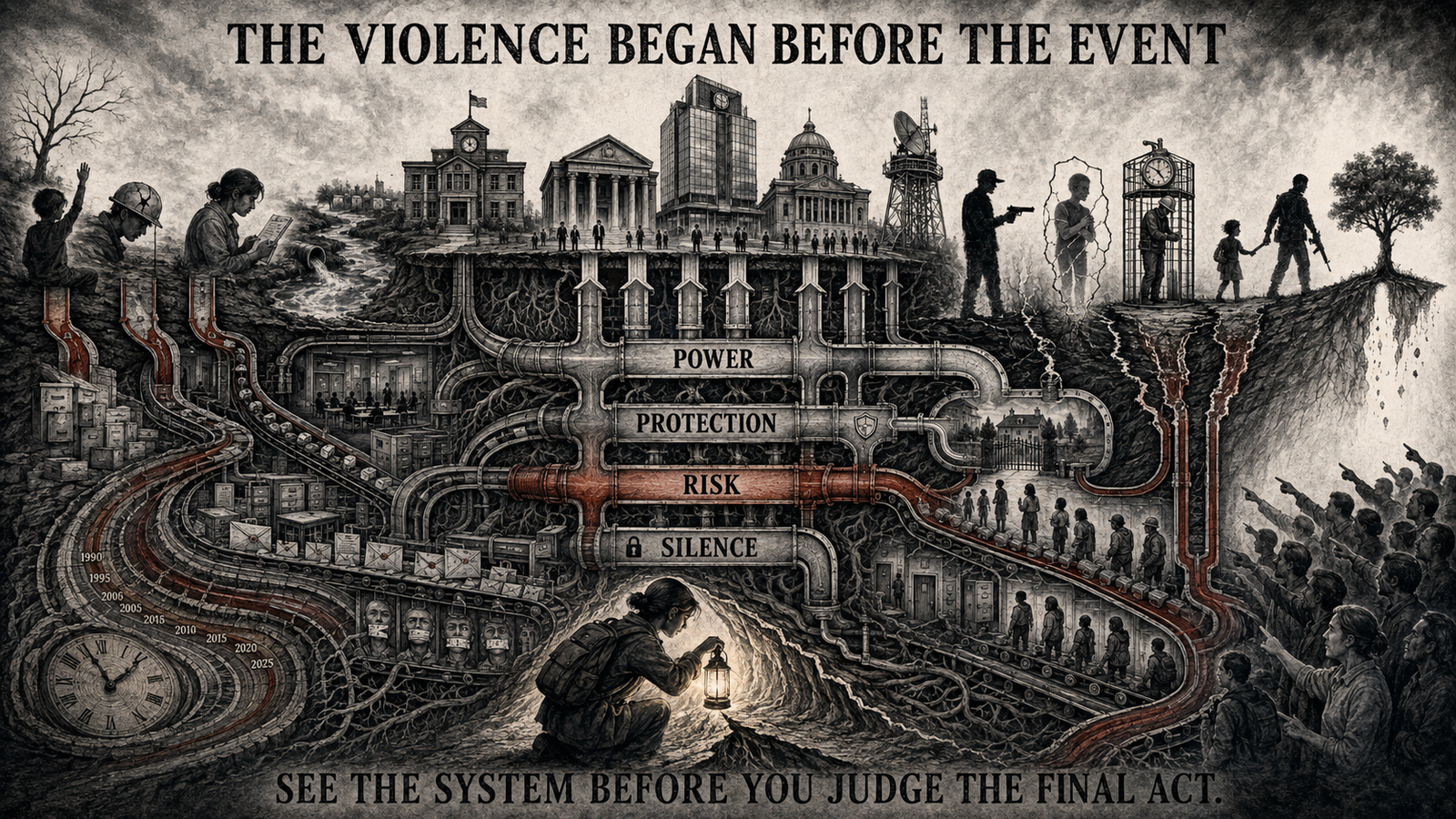
The orderly school, court, corporation, government and media institutions sit above the surface, while their hidden machinery distributes power, protection, risk and silence unequally. Ignored warnings and buried reports accumulate for years until visible harm finally occurs—and only then does the crowd begin pointing.
An Important Conceptual Distinction
These cases must not all be labelled war, because every disruption of peace does not involve armies, weapons or organised armed conflict. Nor should they be treated as legally or morally identical, because each involves different actors, causes, victims, responsibilities and forms of harm. Armed conflict disrupts physical security, political order and civilian protection, while sexual and gender-based violence violates bodily autonomy, dignity, equality and the ability to feel safe even within intimate spaces. Prenatal sex selection reflects a system that assigns unequal worth before birth and can distort the demographic balance of society. Adolescent access to firearms turns homes, schools and neighbourhoods into spaces of lethal risk, while coercion into drugs or crime exploits a young person’s need for belonging, financial vulnerability or fear, damaging health, education and agency. Labour exploitation disrupts peace by making survival dependent upon unsafe, underpaid or unfree work. Institutional concealment deepens the original harm when schools, religious organisations, sporting bodies, companies or governments protect their authority and reputation instead of protecting victims and enabling justice. Environmental destruction caused by human activity threatens health, water, food, livelihood, territory and the rights of future generations, while political repression restricts voice, participation and freedom through the misuse of state or institutional power. These forms of disruption are therefore connected not because they are interchangeable, but because each reveals an unequal system of protection: some bodies are considered more violable, some voices less believable, some workers more disposable, some communities less worthy of safety and some environments more available for sacrifice than others. To see the system of disrupted peace is to investigate how that inequality was created, normalised, protected and allowed to continue.
“A word becomes understood only when we recognise the human life it can protect, expose or harm.” — Mindgle
Learners are invited to undertake the attached classroom activity. The suggested cases provide an initial pathway; however, learners may select a different comparative case based on its relevance to their principal inquiry, the relationships they wish to investigate, and the availability of credible evidence and underrepresented perspectives.
The Global Case Bank of Disrupted Peace
Nomadic Peoples and the Disruption of Mobile Peace
Central proposition
For nomadic and pastoral communities, movement is not the absence of home—it is how home functions. Seasonal routes connect water, grazing land, markets, relatives, languages, ceremonies and generations of ecological knowledge. Peace is therefore disrupted not only when people are attacked, but when a border closes, a pasture is fenced, a water source becomes inaccessible, a migration corridor becomes a battlefield, or a policy treats mobility as backwardness or trespass.
Not every pastoralist is fully nomadic, and not every nomadic community depends on livestock. Some move continuously; others practise transhumance, travelling between established seasonal locations. What connects the following cases is that movement is purposeful rather than aimless. The UN Convention to Combat Desertification reports that rangelands cover more than half of the world’s land surface and support more than 500 million people. It also emphasises that pastoral mobility must be accommodated within land-tenure and water laws. UNCCD: Rangelands and Pastoralists
1. Somali Pastoralists — When Drought Meets Conflict
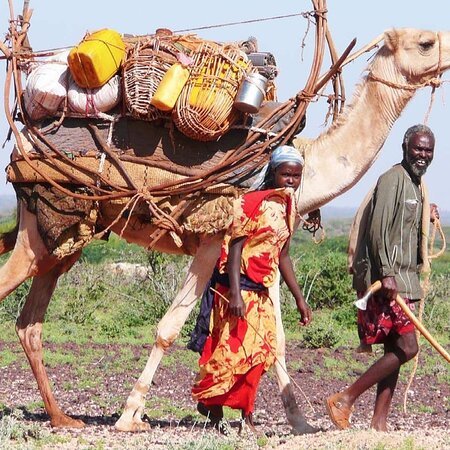
Across Somalia and the wider Horn of Africa, pastoral families traditionally move camels, cattle, goats and sheep according to changing patterns of rainfall, water and pasture. This mobility is an adaptation to a dry and variable environment: when one grazing area becomes exhausted, movement allows both the herd and the land to recover. Between 2020 and 2022, however, repeated failed rainy seasons dried water sources and destroyed grazing land across enormous areas. By June 2022, Somalia had experienced a historic fourth consecutive failed rainy season; approximately three million livestock had died since mid-2021, and 7.1 million people were facing crisis-level food insecurity or worse. Conflict and insecurity also made some affected areas harder for humanitarian agencies to reach. Joint FAO–OCHA–UNICEF–WFP evidence
For a pastoral family, the death of a herd is not merely an agricultural loss. Animals provide milk, food, income, transport, savings, social standing and future breeding stock. Once the herd falls below a viable size, mobility can no longer protect the family; movement changes from a chosen livelihood strategy into a desperate search for survival. The drought created the environmental shock, but conflict, inadequate assistance and unsafe access intensified the disruption of peace.
2. Fulani, Peul and Other Sahelian Pastoralists — When a Corridor becomes a Frontier
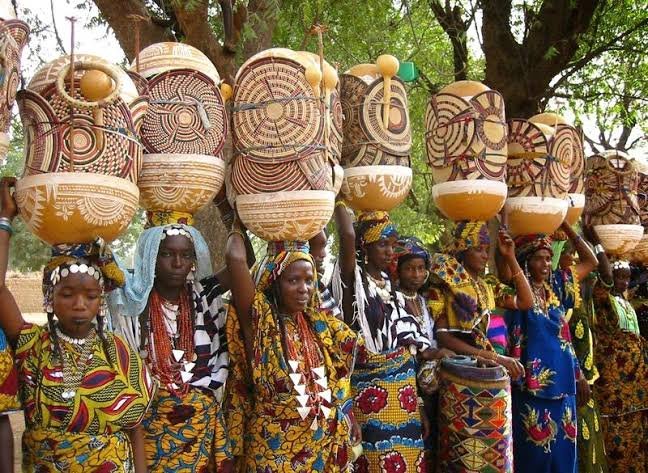
Across Burkina Faso, Chad, Mali, Mauritania, Niger and Senegal, millions of pastoralists—including many Fulani or Peul communities—move livestock through seasonal transhumance corridors. These routes connect dry-season water points, wet-season grazing areas, livestock markets and farming communities that may exchange crop residues for manure. The system depends upon negotiated access: herders must know where animals may pass, while farmers must know when herds will arrive and how crops will be protected.
Climate pressure, armed insecurity, expanding cultivation, large development projects and border restrictions have progressively narrowed these routes. The World Bank states that pastoral systems supporting more than 20 million people in six Sahelian countries are threatened by climate change, instability and development pressures. COVID-19 border closures provided a particularly clear example: herders and animals became concentrated at crossings, some could not return to their seasonal territories, and tensions increased when farmers needed to plant on land through which delayed herds still had to pass. World Bank: Pastoralism Across the Sahel
Peace-building here requires more than telling farmers and herders to coexist. It requires clearly marked corridors, functioning water points, reliable information, local agreements and trusted systems for resolving damage. One regional programme marked more than 1,400 kilometres of transhumance corridors, constructed or rehabilitated 181 water points and established dialogues between communities. The case demonstrates that pastoral conflict is not an inevitable ancient rivalry. It is often produced when routes, rules and resources become uncertain—and when whole pastoral communities are collectively portrayed as intruders, criminals or extremists because of the actions of particular individuals.
3. Maasai Pastoralists in Northern Tanzania — When Conservation excludes its Custodians
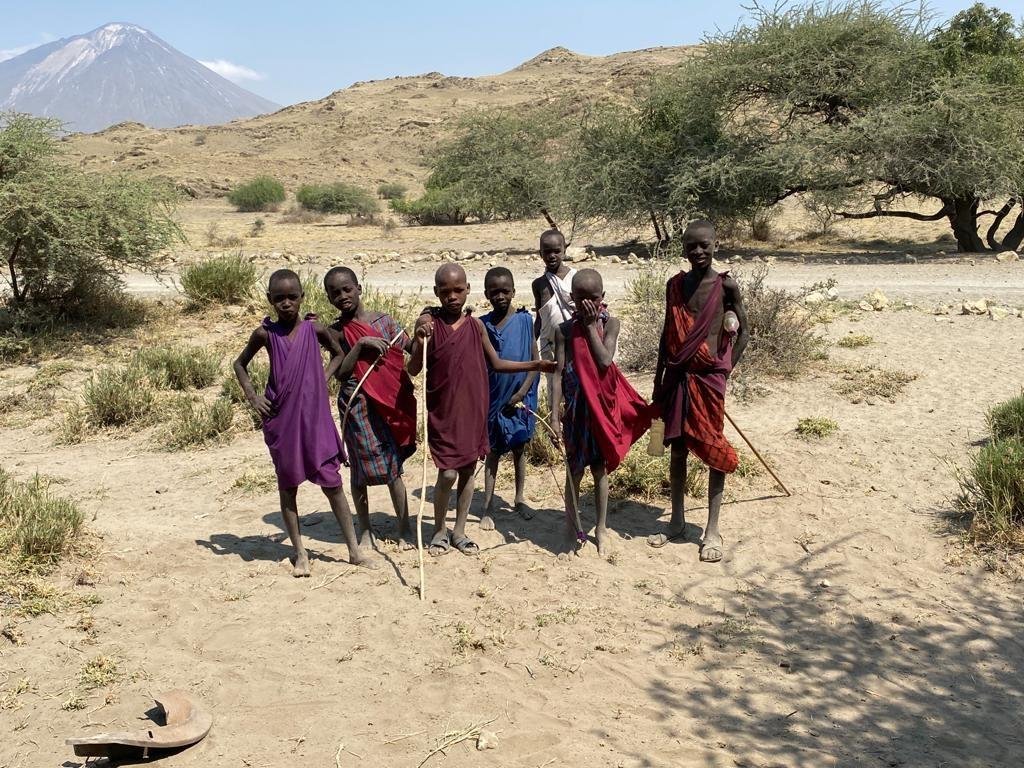
Maasai pastoralism depends upon access to extensive landscapes because rainfall and grazing conditions vary across seasons. In Loliondo, northern Tanzania, the dispute intensified when the government announced in June 2022 that 1,500 square kilometres of village land would be demarcated as a game reserve. According to documented investigations, Maasai residents would be prohibited from living in the designated area, grazing animals there or entering it to obtain water. Community members reported that they had not been adequately consulted, and protests against the demarcation were met with force. Human Rights Watch investigation UN human-rights experts also raised concerns about violence and continuing encroachment on traditional Maasai lands. OHCHR statement
This case creates a difficult but essential inquiry: Can wildlife be protected by removing people whose pastoral knowledge has helped shape that landscape? Conservation is necessary, but conservation without meaningful participation can transfer the cost of protecting nature onto the people most dependent upon it. When dry-season grazing land is closed, livestock may be compressed into smaller areas, increasing pressure on both animals and vegetation. Disrupted peace therefore appears as lost access, fear of eviction, damaged trust and the silencing of Indigenous knowledge. The ethical question is not “people or wildlife?” It is whether conservation can protect biodiversity while respecting land rights, cultural survival and informed community participation.
4. Van Gujjars of the Indian Himalayas — When a Moving Life encounters a Fixed System
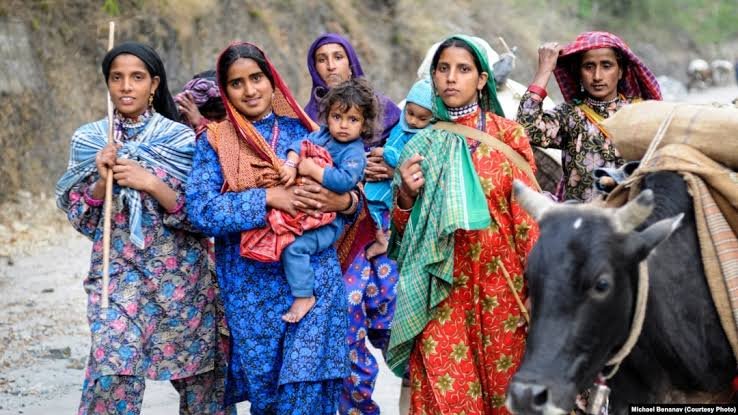
The Van Gujjars are a forest-dependent pastoral community who traditionally move with their buffaloes between the lower forests of the Shivalik and Terai regions during winter and the higher Himalayan grazing areas during summer. Their movement follows temperature, fodder availability and animal health. Buffalo milk supports their economy, while knowledge of forest plants, water, weather and animal behaviour travels between generations along the migration route.
Their difficulty is that administrative systems are generally built for settled populations. A family that uses one forest for six months and a mountain pasture for another six months may struggle to prove permanent residence in either place. Protected-area boundaries, road development, migration permissions, delayed forest-rights claims and interruptions to customary routes can therefore make an established livelihood appear “illegal.” India’s Forest Rights Act explicitly recognises traditional seasonal resource access for nomadic and pastoral communities. In August 2026, the Ministry of Tribal Affairs confirmed that it had directed Uttarakhand authorities to resolve Van Gujjar seasonal-migration issues and ensure that rightful beneficiaries were not deprived of these community rights. Government of India, Ministry of Tribal Affairs
The disruption here is not necessarily a single dramatic expulsion. It can be a chain of smaller barriers—a permit refused, a route blocked, a claim left undecided, a child unable to remain connected to schooling, or a family described as an encroacher on land it has seasonally used for generations. The central peace question is whether public systems can move with mobile citizens rather than requiring those citizens to abandon mobility before receiving rights, education and services.
5. Mongolian Herders — When a Dzud Destroys more than Animals
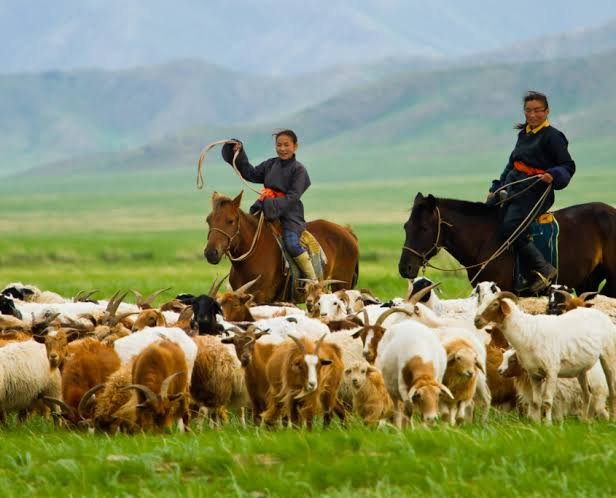
Mongolian pastoral households move sheep, goats, cattle, horses and camels between seasonal pastures. Their knowledge includes reading wind, snow, vegetation, animal condition and the carrying capacity of different landscapes. A dzud occurs when severe winter conditions prevent animals from reaching food—often after a dry summer has already weakened the herd. Deep snow or layers of ice can cover grass so completely that animals starve even while standing above pasture.
The 2023–2024 dzud produced extraordinary losses. A subsequent FAO assessment recorded 9.12 million animal deaths—almost 13 per cent of Mongolia’s national herd. FAO assessment of the dzud’s impact In March 2024, the United Nations estimated that more than 200,000 people needed assistance, with 77,000 of the most vulnerable targeted for emergency support. United Nations Mongolia Dzud Response Plan
When a household loses most of its herd, it loses food, cash income, transport, breeding stock and the material foundation required to remain on the steppe. Families may enter debt or move to the outskirts of towns, where pastoral knowledge has less economic value and employment may be uncertain. The disruption of peace is therefore ecological, financial, cultural and psychological. A meaningful response must go beyond replacing a few animals: it requires early-warning systems, emergency fodder, veterinary access, sustainable pasture governance, income protection and support that allows herders themselves to decide whether and how their mobile culture will continue.
6. Sámi Reindeer Herders in Norway — When Green Energy fragments Cultural Land
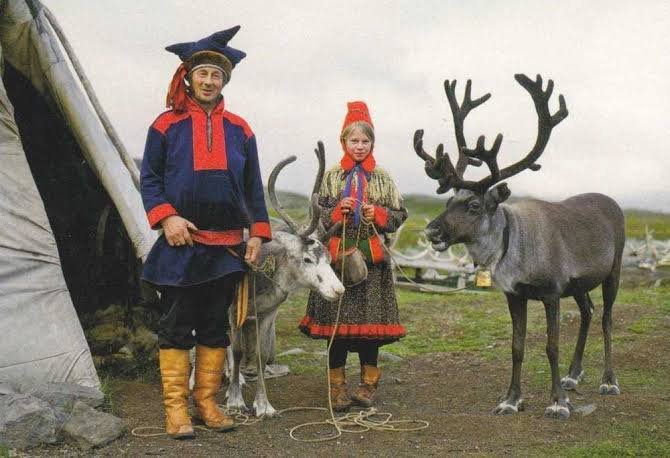
Sámi reindeer husbandry depends upon interconnected seasonal pastures. Reindeer must move between feeding, calving and winter-grazing areas, and herders require sufficient undisturbed land to guide them. A development does not have to occupy an entire territory to damage this system. Roads, turbines, transmission lines and repeated human activity can fragment the landscape or cause animals to avoid otherwise usable pasture.
The Fosen wind-power case exposed a profound tension between renewable-energy development and Indigenous cultural rights. Wind farms at Roan and Storheia were constructed inside the Fosen reindeer-grazing district and completed in 2019 and 2020. In 2021, Norway’s Supreme Court found that the licensing decisions violated Sámi reindeer herders’ right to enjoy their culture under Article 27 of the International Covenant on Civil and Political Rights. The Norwegian government later apologised. A 2023 settlement sought to secure additional winter grazing, financial measures and a future veto over continued wind-farm operation after the existing concession period. Norwegian Government account and agreement
This case shows that a project can serve a global environmental goal and still create local injustice. The inquiry is not whether renewable energy is good or bad. It is whether a “green transition” can be considered peaceful when its planning fragments Indigenous territory or proceeds without adequately protecting cultural survival. Climate action and Indigenous rights must be designed together, not traded against each other after damage has occurred.
7. Palestinian Bedouin and Herding Communities in the West Bank — When Movement becomes Dangerous
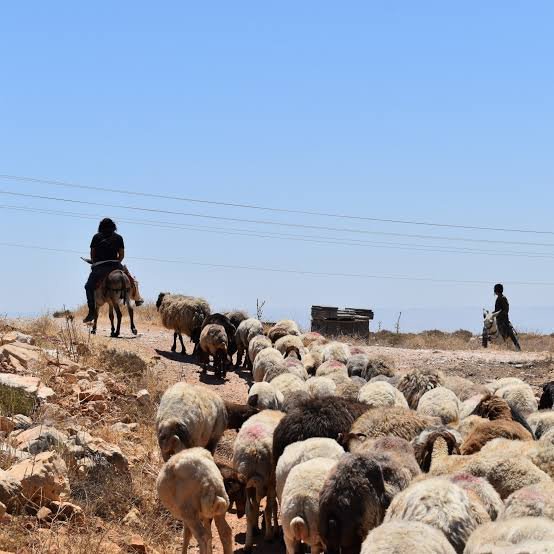
Palestinian Bedouin and herding communities in parts of the West Bank depend upon access to grazing areas, water sources, markets and nearby communities. Their mobility has increasingly been restricted by demolitions, settlement expansion, settler violence, military and administrative restrictions, and the loss of safe access to land. The result is not always a formal order instructing a community to leave. Repeated intimidation, attacks on livestock, restricted water access and fear for children can make continued residence practically impossible.
The UN Office for the Coordination of Humanitarian Affairs reported that during 2024 approximately 620 Palestinians were displaced because of settler violence and access restrictions, mainly from Bedouin and herding communities. OCHA West Bank Humanitarian Update When a family leaves because the route to its animals, school or water source is no longer safe, describing the departure as simply “voluntary” conceals the pressure producing it.
This case asks learners to distinguish between movement as culture and movement under coercion. It also requires careful separation of civilians from governments, militaries, settlers and armed organisations. No population should be assigned collective responsibility. The evidence must establish who acted, what occurred, what restrictions operated and what consequences followed. Peace is disrupted when a community’s continued presence becomes unsafe—even before it formally crosses a border.
When the Land remembers what the Map forgets
Central proposition
For many Indigenous communities, peace is not simply the absence of armed conflict. It is the continuing ability to remain connected to land, language, ancestry, ecological knowledge, sacred places, community institutions and self-determined futures. Peace is disrupted when a forest is declared empty, a mountain becomes merely a mineral deposit, a child’s mother tongue is punished, a sacred site is legally destroyed, or an entire people is classified as an obstacle, intruder or enemy.
The terminology requires care. In India, communities such as the Santal are commonly described as Adivasi and are constitutionally recognised as Scheduled Tribes; other countries use terms such as Indigenous Peoples, First Nations, Aboriginal Peoples or traditional owners. These communities are not museum populations frozen in the past. They are contemporary societies entitled to choose how culture, technology, education and development will coexist.
The United Nations Declaration on the Rights of Indigenous Peoples establishes that Indigenous Peoples must not be forcibly removed from their territories without their free, prior and informed consent, agreement on fair compensation and, where possible, the option of return. United Nations Declaration on the Rights of Indigenous Peoples
1. The Santal of India — When Exploitation is mistaken for Order
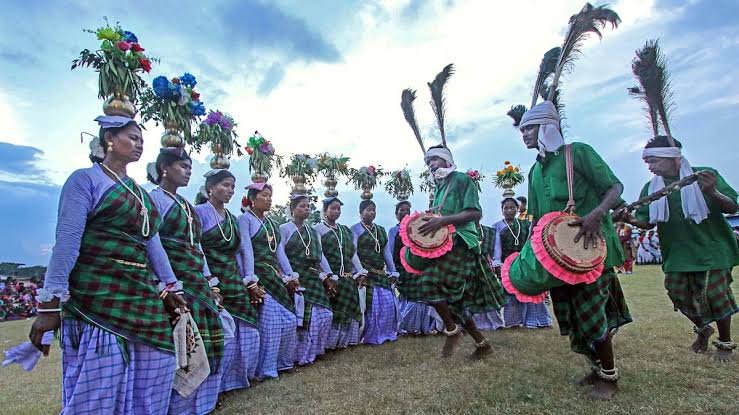
The disruption
The Santal, also written as Santhal, are one of South Asia’s major Adivasi communities, with significant populations across Jharkhand, West Bengal, Odisha, Bihar and neighbouring regions. Their relationship with land historically extended beyond individual property: forests, fields, sacred groves, village institutions, festivals, songs and ancestral memory formed an interconnected social world.
During British rule, Santal families were encouraged to clear and cultivate forested land in Damin-i-Koh, in present-day Jharkhand. However, colonial revenue systems, zamindars, traders, police and moneylenders gradually transformed that invitation into entrapment. Families could be pushed into debt through excessive interest, lose control of cultivated land and find colonial courts operating through unfamiliar languages and laws. What appeared to the administration as revenue collection and legal order was experienced by many Santals as dispossession backed by institutional power.
The evidence
On 30 June 1855, Sido and Kanhu Murmu, together with Chand, Bhairav, Phulo and Jhano, helped initiate the Santal Hul—an uprising or revolution against exploitative moneylenders, zamindars and the East India Company. It began two years before the better-known uprising of 1857. Thousands gathered at Bhognadih, and the rebellion spread across the forested region before being violently suppressed by colonial forces. Historical account of the Santal Hul
The Hul demonstrates that violence did not begin when the Santals took up weapons. Peace had already been eroded through debt, land alienation, administrative exclusion and the inability to obtain justice through institutions controlled by outsiders. The uprising was the visible explosion of a much longer period of structural violence.
What restoration requires
Restoring peace cannot mean remembering Santal resistance on one commemorative day while continuing to marginalise Santal knowledge. It requires secure land and forest rights, meaningful participation in development decisions, education through Santali and its Ol Chiki script, and recognition of Santal accounts as sources of history rather than decorative folklore.
The central lesson is powerful:
A society may appear orderly to those collecting the revenue while already being profoundly violent to those losing the land.
2. The Dongria Kondh of Niyamgiri — When a Mountain is treated as Ore
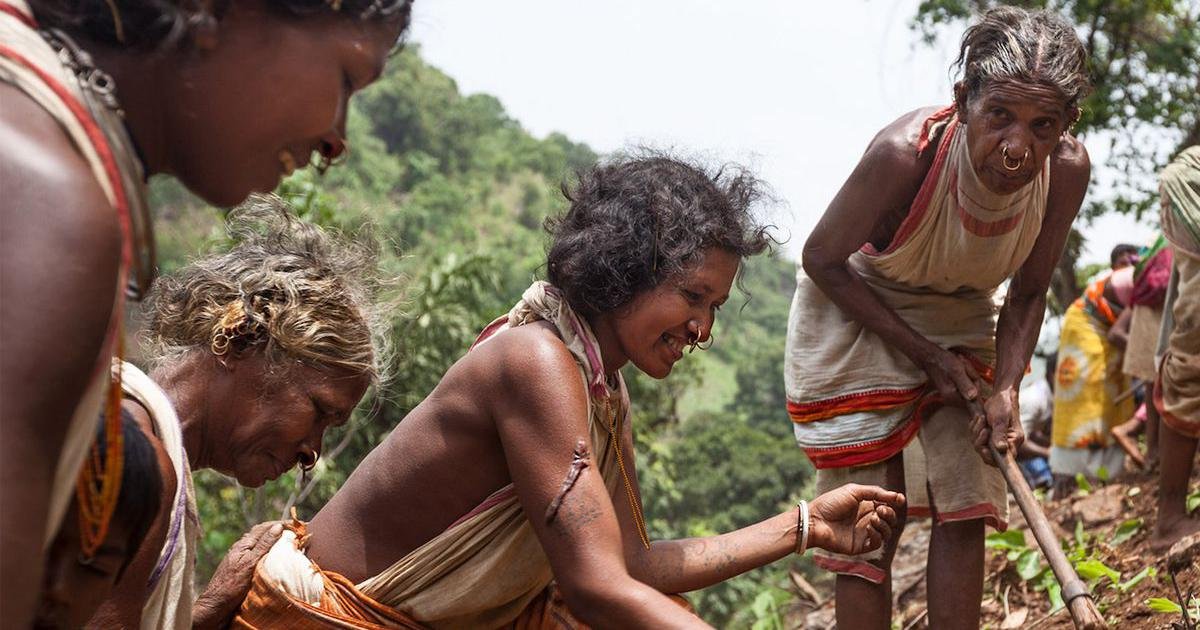
The disruption
For the Dongria Kondh of Odisha, the Niyamgiri Hills are not merely land surrounding a mineral deposit. The hills support forests, streams, food cultivation, medicinal knowledge and community life; they are also associated with Niyam Raja, a sacred presence central to Dongria Kondh belief and identity.
A proposed bauxite-mining project treated the mountain primarily as an economically valuable source of aluminium ore. This produced a collision between two radically different meanings of the same place:
- To the mining proposal, the hill contained a resource.
- To the Dongria Kondh, the hill sustained a living relationship.
- To the state, the decision involved development and revenue.
- To the community, it involved cultural survival.
The evidence
The proposed project required the diversion of approximately 660.749 hectares of forest land in the Niyamgiri region. In its landmark 2013 decision, the Supreme Court of India ruled that the relevant Gram Sabhas should determine whether mining would violate the religious, cultural and community rights of the Dongria Kondh, Kutia Kondh and other forest dwellers. The Court specifically recognised that the Gram Sabha could consider whether mining would affect the abode of Niyam Raja. Supreme Court judgment: Orissa Mining Corporation v Ministry of Environment and Forests
Twelve selected Gram Sabhas subsequently rejected the mining proposal unanimously. The importance of the case lies not only in the project being stopped, but in who was permitted to define the harm.
What restoration requires
This case shows that consultation is not a presentation delivered after the important decisions have already been made. Free, prior and informed consent requires understandable information, freedom from coercion, sufficient time for community deliberation and a genuine capacity to influence the outcome.
Peaceful development does not merely compensate people after taking their world apart; it allows them to participate in deciding what development should mean.
3. The Yanomami of Brazil — When Invasion arrives as Extraction
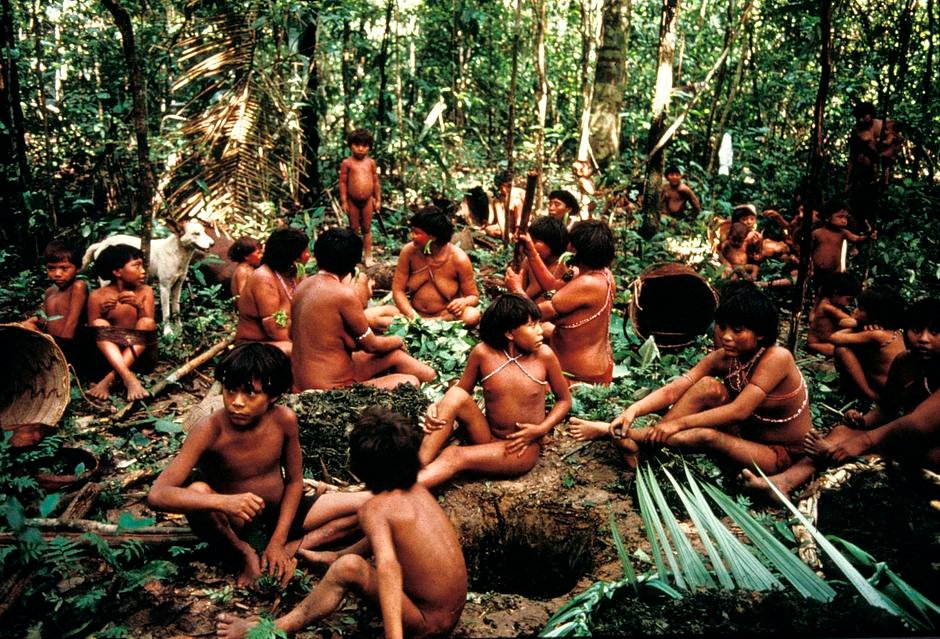
The disruption
The Yanomami live across a large forest territory spanning northern Brazil and southern Venezuela. Their territory supports hunting, cultivation, medicine, spiritual relationships, rivers and forms of knowledge inseparable from the rainforest. Illegal gold mining does not simply remove minerals. It opens roads and airstrips, clears forests, contaminates water, introduces disease and connects remote territory to criminal economies.
Mercury used in gold extraction can enter rivers and food chains. Mining settlements may also bring malaria, violence, alcohol, weapons and sexual exploitation. The result is an interlocking emergency: ecological destruction weakens food systems; weakened food systems increase malnutrition; disease spreads through disrupted communities; and insecurity makes healthcare harder to deliver.
The evidence
Brazilian authorities estimated that approximately 20,000 illegal miners had entered the Yanomami Indigenous Territory in recent years. After coordinated government operations intensified, official geospatial alerts indicating areas affected by illegal mining reportedly fell by 73 per cent in comparison with 2023. Brazilian Government assessment
The Pan American Health Organization reported in 2023 that deforestation and illegal mining had damaged Yanomami territory and made already remote communities even harder for health teams to reach. PAHO evidence on the Yanomami health emergency
What restoration requires
Emergency food and medical treatment are indispensable, but they address consequences rather than the whole system. Sustainable peace requires removing illegal miners, protecting territory, restoring waterways, maintaining culturally appropriate healthcare and enabling Yanomami leadership to guide monitoring and recovery.
The case asks learners to recognise that environmental crime is also human violence:
When a river is poisoned, the harm travels through bodies, food, memory and generations.
4. First Nations, Inuit and Métis Peoples in Canada — When School becomes an Instrument of Erasure
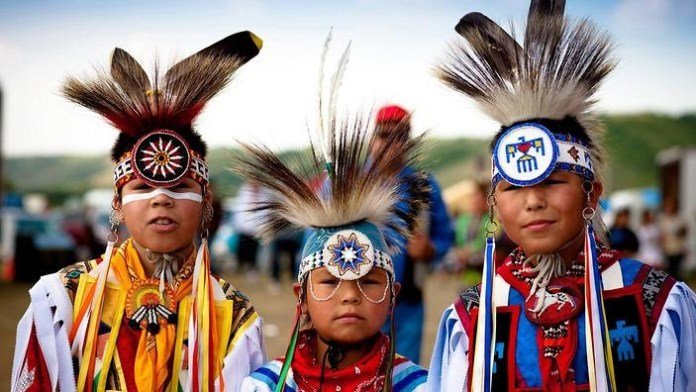
The disruption
Education is usually presented as a pathway to freedom. Canada’s residential-school system demonstrates that education can instead become an instrument of cultural destruction when the state decides that children must be separated from their identity in order to become “civilised.”
For more than 150 years, First Nations, Inuit and Métis children were removed from families and sent to institutions often located far from their communities. Children were separated from parents, siblings, languages, ceremonies and community knowledge. Many were punished for speaking their own languages. The damage was not confined to individual pupils: when children were prevented from learning parenting, kinship, language and cultural practices from their communities, the disruption travelled across generations.
The evidence
The National Centre for Truth and Reconciliation records that more than 150,000 Indigenous children attended residential schools and that many never returned. Schools were frequently overcrowded and underfunded, and thousands of children experienced physical and sexual abuse. Canada’s Truth and Reconciliation Commission concluded that the system represented a government-sponsored attempt to destroy Indigenous cultures and languages, describing its purpose as cultural genocide. National Centre for Truth and Reconciliation
This case expands the meaning of violence. A weapon was not required to sever a child from a language, rename them, suppress their identity or make them ashamed of their family.
What restoration requires
Reconciliation cannot be reduced to an apology. It requires survivor-led truth-telling, access to records, investigation of missing children and burial sites, language revitalisation, culturally grounded education, reparations and Indigenous authority over the education of Indigenous children.
A peaceful school does not merely keep children physically safe; it ensures that education never requires them to disappear from themselves.
5. The PKKP People of Australia — When Legality destroys Legitimacy
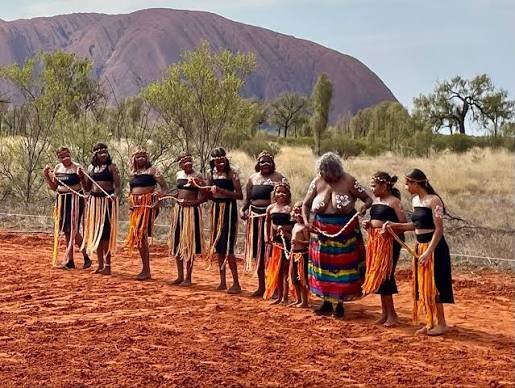
The disruption
Juukan Gorge in Western Australia contained rock shelters of extraordinary archaeological, cultural and spiritual importance to the Puutu Kunti Kurrama and Pinikura people, known as the PKKP. Evidence from the site demonstrated human occupation extending back approximately 46,000 years.
On 24 May 2020, mining company Rio Tinto used explosives to destroy the shelters while expanding an iron-ore mine. The destruction became internationally significant because it did not occur outside the law: earlier regulatory approval had been obtained. The case therefore exposed a deeper problem—the law permitted a corporation to destroy a place that its traditional owners could never replace.
The evidence
The Australian Parliament conducted an inquiry specifically into the destruction of the 46,000-year-old Juukan Gorge caves. Its interim report was titled Never Again. The subsequent government response acknowledged the urgent need to strengthen cultural-heritage law, improve regulatory protection, review the Native Title Act and develop truth-telling processes. Australian Government response
The parliamentary inquiry identified the power imbalance between Indigenous traditional owners and the industries seeking access to their land. Once the shelters were blasted, compensation could not reconstruct their age, meaning or continuity.
What restoration requires
This case distinguishes legal permission from ethical legitimacy. Genuine protection requires traditional owners to possess decision-making power before destruction occurs. Cultural heritage cannot be treated as one more project risk that can be priced, managed or compensated afterwards.
A law may authorise an action without making that action just. Peace requires institutions capable of hearing “no” before “nothing remains.”
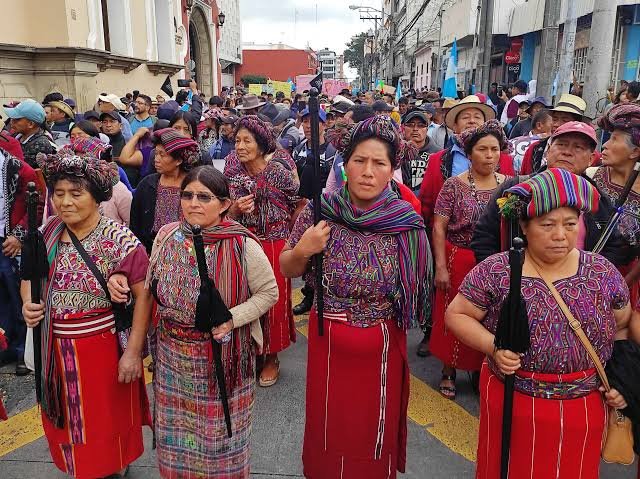
6. The Maya Ixil of Guatemala — When a People is renamed “The Enemy”
The disruption
During Guatemala’s internal armed conflict, Indigenous Maya communities were frequently treated not as civilians requiring protection but as suspected supporters of guerrilla movements. This is how collective blame becomes deadly: the identity of an entire community is used as evidence of political guilt.
In the early 1980s, military counterinsurgency operations attacked Maya villages, destroyed homes and crops, and killed civilians. The violence targeted not only individual lives but also the foundations of collective survival—land, food, family structures, community leaders and cultural continuity. Labelling communities as part of an “internal enemy” helped remove the moral distinction between an armed combatant and a child, elder or farmer.
The evidence
Guatemala’s 36-year conflict ended in 1996. The United Nations-supported Historical Clarification Commission estimated that more than 200,000 people were killed or forcibly disappeared. Of the victims it identified, approximately 83 per cent were Indigenous Maya, while state forces and related groups were held responsible for approximately 93 per cent of documented violations. Evidence summarised from the UN-sponsored truth commission
In 2013, a Guatemalan court heard survivor testimony, military records and forensic evidence concerning attacks on the Maya Ixil. Former ruler Efraín Ríos Montt was convicted of genocide and crimes against humanity, although the conviction was subsequently annulled on procedural grounds. The evidence nevertheless exposed how racism and collective suspicion had enabled civilians to be treated as legitimate targets. United States Holocaust Memorial Museum account
What restoration requires
Peace agreements may stop open warfare, but positive peace requires locating the disappeared, protecting burial sites, hearing survivors, confronting racism, addressing land inequality and ensuring that Maya languages and histories enter national education.
A war may end on paper while continuing wherever the victims’ truth, land and identity remain unrecognised.
The Peace Movements every Middle-School Learner should know
Peace is not rebuilt by treaties alone. It is rebuilt whenever someone redesigns a school, protects a language, clears a field, challenges a hateful word, returns a name to the missing or creates a place where former enemies can meet without surrendering their dignity.
A maverick peace initiative does not wait for perfect conditions. It identifies a specific fracture—displacement, exclusion, cultural erasure, armed violence, gender abuse, propaganda or unresolved historical trauma—and invents a practical way to restore safety, agency, truth, belonging or dialogue. These initiatives matter because they help learners see that peacebuilding is not one profession. Teachers, scientists, translators, community elders, technologists, artists, young people and even specially trained animals can participate in constructing peace.
1. When the Learner Moves, the School must Learn to Move
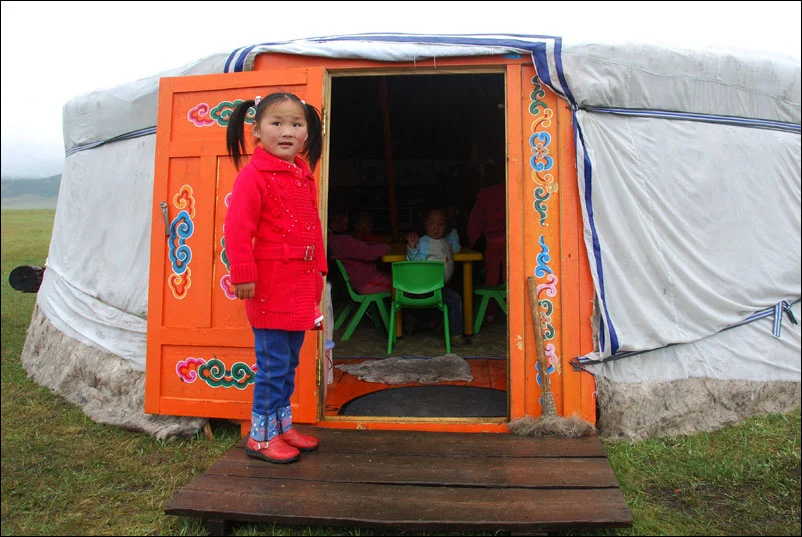
Mobile Ger Kindergartens — Mongolia
The peace disruption
Nomadic movement is not an educational deficiency. The injustice begins when a fixed school system treats mobility as a problem and quietly makes education conditional upon abandoning a community’s way of life. Children from herder families may live great distances from permanent schools. Families can then face an unfair choice: interrupt their children’s education, separate young children from their parents or become less mobile.
The initiative
Mongolia’s mobile ger kindergartens reverse the conventional arrangement. Instead of requiring three-to-six-year-old children from herder families to travel permanently towards school, the early-learning environment travels towards them. A ger—the portable circular dwelling used by Mongolian herding communities—becomes a seasonal classroom. Teachers, play materials and learning resources are brought closer to families during periods when herders gather in particular areas.
The model has been extended through initiatives such as Teacher with a Tablet and audio lessons for children who remain geographically isolated. The technology supports the teacher; it does not replace the relationship between the educator, child, family and community. UNESCO reports that the programme is led by Mongolia’s Ministry of Education and Science with partners including UNICEF. UNESCO: Mobile Ger Kindergartens
Why it is a peace initiative
This is positive peace through educational design. It does not ask a community to surrender mobility in exchange for opportunity. It asks the institution to become flexible enough to recognise a different pattern of life.
The deeper lesson
Inclusion does not always mean bringing everybody into an unchanged system. Sometimes inclusion requires changing the system itself.
Refined Inquiry Question
To what extent can mobile education provide nomadic children with equal learning opportunities without pressuring their families to abandon mobility, language or cultural identity?
2. When Roads Cannot Carry a Library, Camels Can
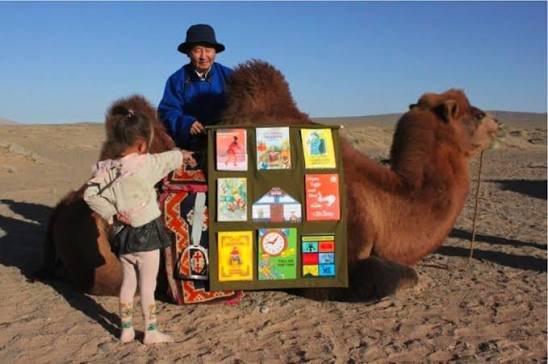
The Camel Mobile Library — Northern Kenya
The peace disruption
Pastoralist and semi-nomadic communities in arid areas around Garissa and neighbouring regions have often lived beyond the practical reach of conventional libraries. Distance, heat, limited roads and seasonal movement can turn access to books into a privilege determined by geography. This produces structural inequality even when no authority has explicitly prohibited a child from reading.
The initiative
The pioneering Camel Mobile Library Service used an animal already adapted to the terrain as educational infrastructure. Camels carried boxes of books, tents and basic library equipment to isolated schools and communities. Learners could borrow books and return them on a later visit. The initiative demonstrated that the problem was not an absence of curiosity among pastoralist children; it was an inflexible delivery system. Account of Kenya’s Camel Mobile Library
Why it is a peace initiative
Literacy gives learners greater access to public knowledge, health information, civic participation and the ability to represent their own experiences. Yet the initiative must not be romanticised. A camel carrying books is ingenious, but it does not remove the state’s responsibility to provide sufficiently funded, culturally and linguistically relevant education.
Refined Inquiry Question
When a camel must perform the work of a public library, does the initiative demonstrate successful innovation, institutional failure—or both?
3. A Refugee Camp Connected to the World
Project Kakuma and Instant Network Schools — Kenya and Beyond
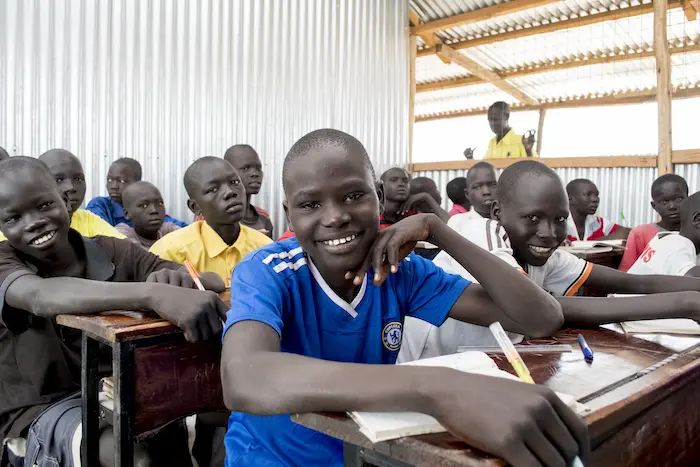
The peace disruption
Refugee displacement breaks much more than residence. It can interrupt schooling, certification, friendships, language continuity, access to teachers and the learner’s belief that effort will lead to a meaningful future. Refugee camps may also separate displaced learners from the host community and from global networks of knowledge.
The initiatives
Project Kakuma built educational bridges between learners in Kakuma Refugee Camp and teachers and classrooms around the world. Its model has included live global classroom interactions, teacher development, coding, video lessons and Innovation Lab Schools. The project reports participation by educators across 75 countries. Importantly, refugee educators and learners are not simply presented as recipients; they participate in the educational exchange. Project Kakuma
A larger complementary model, Instant Network Schools, was developed through Vodafone Foundation and UNHCR. A portable classroom can combine tablets, a teacher’s laptop, a projector, connectivity and digital resources. The programme reports 159 schools and more than 382,000 learners reached, with a goal of supporting half a million learners by the end of 2026. Instant Network Schools
How the architecture works
- Connectivity opens access to resources unavailable locally.
- Teacher training builds capability that remains within the community.
- Digital content helps one classroom reach beyond camp boundaries.
- Global encounters allow refugee and non-refugee learners to meet as fellow learners.
- Host-community inclusion can reduce the perception that services benefit one group at another’s expense.
Why it is a peace initiative
The deepest contribution is not the tablet. It is the restoration of continuity and possibility. Education protects a displaced learner from being defined entirely by displacement.
Technology, however, does not automatically create justice. Learners must still ask who controls the content, which languages are supported, whether refugee teachers are properly recognised and what happens when equipment, electricity, connectivity or funding disappears.
Refined Inquiry Question
Under what conditions can connected education restore agency and belonging for refugee learners rather than making them dependent upon distant technology, temporary funding or decisions made without them?
4. When an Alphabet becomes an Architecture of Dignity
Ol Chiki and Santal/Santhal Linguistic Justice — India
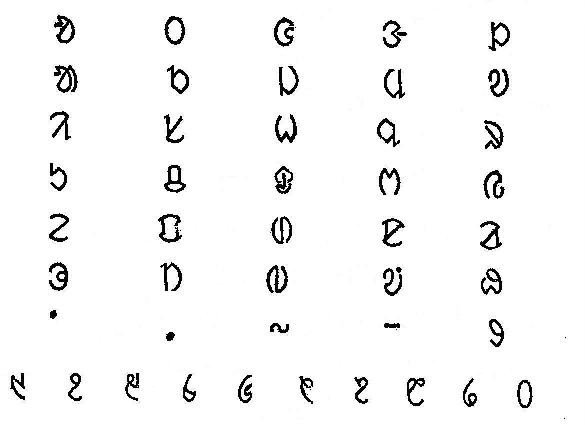
The peace disruption
Cultural peace is disrupted when a child’s home language is treated as unsuitable for serious learning, administration or literature. When education operates only through a dominant language, an Indigenous learner may be required to leave part of their identity outside the classroom. Oral histories, ecological knowledge, songs and community concepts can become difficult to preserve or may be inaccurately represented through an externally imposed script.
The initiative
In 1925, Pandit Raghunath Murmu, a Santal intellectual from Mayurbhanj, developed Ol Chiki, a writing system designed specifically for the sounds of Santali. Its 30 characters gave the language a culturally rooted written form suited to education, literature and public communication.
This was not merely an alphabetic invention. It altered who could record knowledge and how Santali identity could enter formal institutions. Santali was included in the Eighth Schedule of the Indian Constitution in 2003. In December 2025, the Constitution of India was released in Santali using Ol Chiki, connecting linguistic recognition with access to the country’s foundational legal document. Government of India: 100 Years of Ol Chiki
Community initiatives have also sustained Ol Chiki learning through volunteer teachers and locally organised learning centres. The continuing challenge is to move from ceremonial recognition to adequately supported teachers, textbooks and everyday educational use.
Why it is a peace initiative
A community that can name the world in its own language possesses a stronger defence against cultural erasure. Linguistic peace does not require rejecting regional, national or international languages. It requires ensuring that multilingual opportunity does not come at the cost of the learner’s mother tongue.
Refined Inquiry Question
How can education expand a Santal learner’s access to national and global languages while protecting Santali as a language of knowledge, identity and democratic participation?
5. Conservation Led by the People Who belong to the Land
Indigenous Guardians — Canada
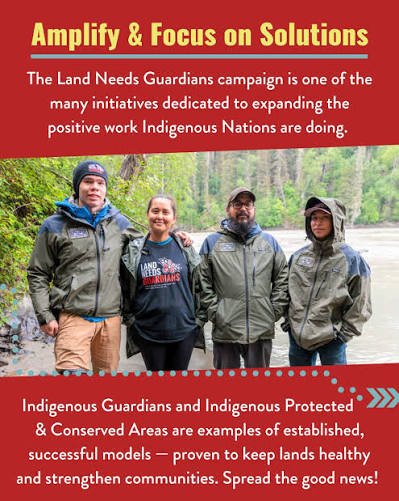
The peace disruption
For many Indigenous peoples, land is not simply property. It carries language, law, food systems, ancestry, spirituality and responsibility. Colonisation and externally controlled development have frequently weakened Indigenous authority over ancestral territories. Environmental damage can therefore become simultaneously ecological, cultural and political violence.
The initiative
Indigenous Guardians are community members who care for traditional lands, waters and ice under the direction of their own Nations. Their work can include monitoring wildlife and water quality, protecting cultural sites, recording environmental changes, restoring species, guiding visitors, responding to emergencies and observing the effects of industrial development.
The programme is powerful because Indigenous knowledge is not treated as decoration added after scientific decisions have been made. Guardians can place long-held community knowledge in active relationship with contemporary ecological methods. Canada describes them as the “eyes and ears on the ground”; by 2026, approximately 250 Guardians initiatives were operating. Government of Canada: Indigenous Guardians
Why it is a peace initiative
Guardianship joins environmental restoration with cultural continuity and Indigenous responsibility. It shifts Indigenous people from being consulted occasionally about somebody else’s conservation plan to helping lead stewardship themselves.
Critical caution
A funded programme is not the same as complete land justice. Learners must still examine who possesses final legal authority, who controls data gathered on Indigenous territory and whether consultation can genuinely alter a proposed development.
Refined Inquiry Question
How does Indigenous-led guardianship transform conservation when the people being consulted become decision-makers, knowledge-holders and protectors of their own territories?
6. Protecting Girls Without Declaring War on Culture
Kakenya’s Dream — Maasai Communities in Kenya
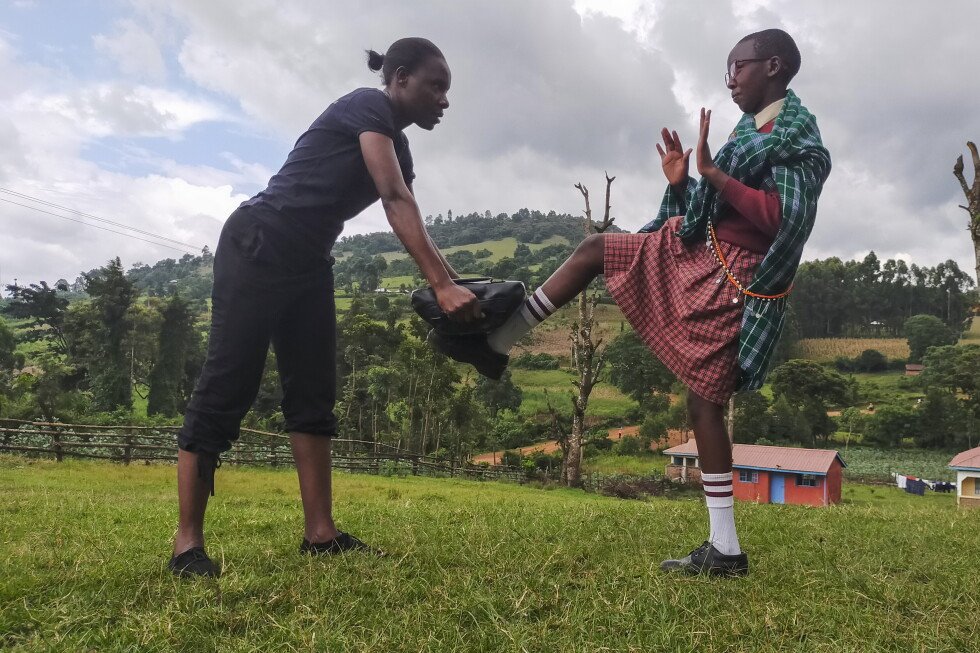
The peace disruption
Female genital mutilation, child marriage and the withdrawal of girls from school disrupt bodily safety, educational continuity and freedom of choice. Yet attempts to end these practices may fail when they approach an entire culture with contempt, ignore community relationships or speak about girls without building local ownership.
The initiative
Kakenya’s Dream combines education, health knowledge, leadership development and community dialogue. Its work does not focus only on removing an individual girl from danger. It engages parents, elders, young people, religious leaders, public officials and other community members because harmful practices are maintained by social expectations as well as individual decisions.
Community conversations challenge the belief that a girl must undergo cutting to become respected or accepted. Alternative understandings of dignity and adulthood are developed from within the community, while girls receive education and opportunities to lead. The initiative describes its method as transformation without erasing or demonising Maasai culture. Kakenya’s Dream: Community-Led Change
Why it is a peace initiative
Peace within a community cannot exist when a girl’s safety and future depend upon submitting to bodily harm. But sustainable change is strongest when girls’ rights and community participation reinforce one another.
Ethical distinction
Respecting a culture does not require accepting every practice associated with it. Equally, opposing a harmful practice does not justify stereotyping an entire people.
Refined Inquiry Question
How can a community protect girls from harmful practices while preserving cultural belonging and ensuring that girls themselves participate in defining dignity, adulthood and change?
7. Learning the Language of the Person One has been taught to Fear
Hand in Hand Bilingual Schools — Israel
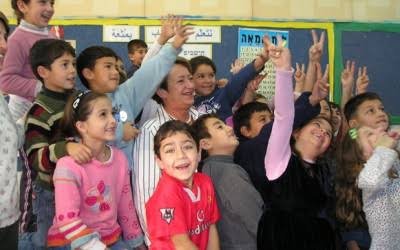
The peace disruption
When children from different identity groups grow up in separate schools, neighbourhoods, languages and historical narratives, they may encounter one another primarily through headlines, fear or inherited stereotypes. Separation does not automatically cause violence, but it can make dehumanising narratives easier to sustain because learners rarely meet the people being described.
The initiative
Hand in Hand operates integrated bilingual schools and communities for Arab and Jewish citizens of Israel. Learners study in Arabic and Hebrew, encounter more than one historical and cultural perspective and participate in a school community built around equality. Beginning with 50 children in 1998, the network now reports six campuses and more than 2,000 students. Hand in Hand Schools
Why it is a peace initiative
The model does not ask children to erase difference. It creates a disciplined space in which difference can remain visible without automatically becoming danger. Language learning becomes human recognition: the language associated with “the other side” becomes the language of a classmate, teacher and friend.
Critical caution
Shared schooling cannot substitute for human rights, political justice, civilian protection or compliance with humanitarian law. Nor should dialogue be used to create false equivalence between unequal experiences. Its contribution is different: it protects the human relationship through which difficult truths may be heard without reducing an entire population to an enemy identity.
Refined Inquiry Question
Can bilingual, integrated schooling weaken inherited hostility while still allowing learners to examine unequal power, conflicting histories and serious injustice honestly?
8. Teaching the History that Hatred Wants forgotten
Aegis Peace and Values Education — Rwanda
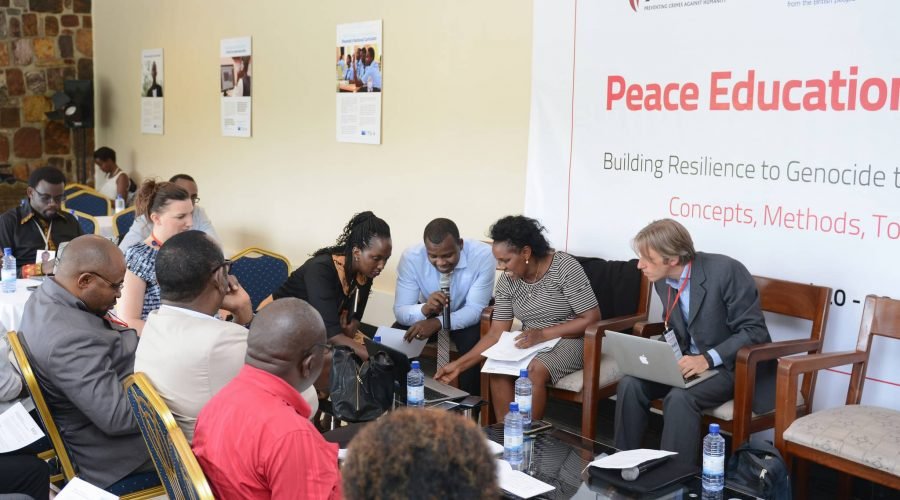
The peace disruption
The 1994 genocide against the Tutsi was preceded and accompanied by propaganda, categorisation, organised exclusion and the normalisation of violence. Later generations may inherit trauma, silence or simplified explanations without having directly experienced the events.
The initiative
Aegis Trust began piloting peace education at the Kigali Genocide Memorial in 2008. Rather than treating genocide as a list of dates, the programme uses testimony, historical evidence, participatory learning and ethical reflection. Learners investigate how prejudice develops, how individuals respond to pressure and what responsibilities exist when a community is being dehumanised.
From 2013 to 2016, the programme expanded across 22 districts. In 2014, Rwanda announced peace and values education as a cross-cutting component of the national curriculum. The model emphasises critical thinking, empathy, trust and personal responsibility. Aegis Trust: Peace Education
Why it is a peace initiative
Remembering atrocity is not enough if learners only conclude that terrible people committed terrible acts. Peace education must help them recognise the smaller intellectual steps—stereotyping, obedience, exclusion, propaganda and silence—through which violence becomes socially possible.
Critical caution
Empathy must be joined with accurate history. A desire for unity must never require survivors to forget, conceal evidence or avoid questions of responsibility.
Refined Inquiry Question
How can education preserve truthful memory of genocide while helping a new generation resist stereotyping, manipulation and collective blame?
9. Reconciliation Around a Community Fire
Fambul Tok — Sierra Leone
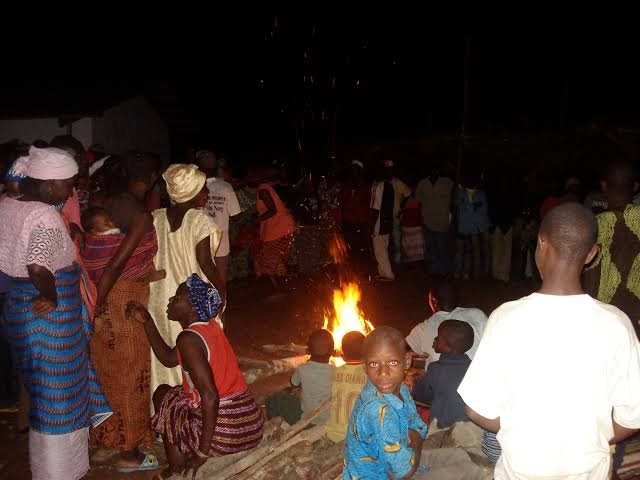
The peace disruption
Civil war can end militarily while continuing inside relationships. Survivors, returning fighters, former child recruits and families may live in the same communities carrying fear, grief, shame and unanswered questions. A national agreement cannot automatically repair trust within a village.
The initiative
Fambul Tok, meaning “family talk” in Krio, draws upon community traditions of discussion and reconciliation. Communities organise evening truth-telling gatherings around a bonfire. People may acknowledge harm, describe its consequences, request forgiveness or decide what forms of repair and continuing cooperation are possible. Traditional cleansing ceremonies and later community activities can support the process beyond one conversation. Fambul Tok
Why it is a peace initiative
The initiative recognises that communities are not simply locations where peace agreements are implemented. They possess knowledge about how relationships can be repaired. Peace is rebuilt through truth, acknowledgement and future cooperation—not only through official declarations.
Ethical caution
Forgiveness cannot be demanded from survivors. Reconciliation must not become a shortcut that protects offenders from accountability. A learner must distinguish among forgiveness, legal justice, truth, reparation and coexistence; they can overlap, but they are not identical.
Refined Inquiry Question
Under what conditions can community truth-telling restore relationships without pressuring survivors to forgive, minimising the harm or replacing justice?
10. Animals Clearing the Hidden Afterlife of War
APOPO HeroRATs — Cambodia and Other Mine-Affected Regions
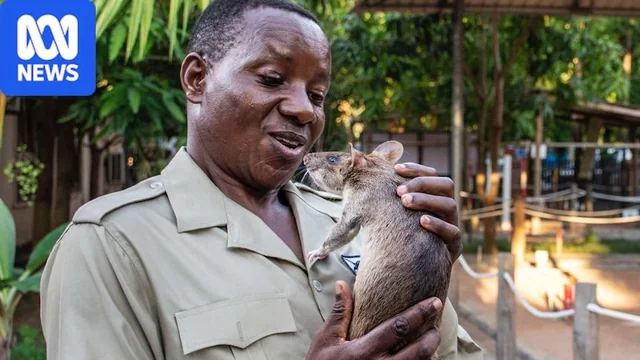
The peace disruption
A war can continue injuring people long after fighting has stopped. Landmines and unexploded weapons can remain beneath farms, roads and former battlefields. Families may be unable to cultivate land, children may be unable to play safely and displaced people may be unable to return home. This is war’s hidden afterlife.
The initiative
APOPO trains African giant pouched rats—known as HeroRATs—to detect the scent of explosives. Working with trained handlers and demining teams, the rats help identify contaminated ground so that explosives can be safely removed by qualified professionals. APOPO combines detection with explosive-ordnance risk education and assistance for affected people.
The animal is the memorable part, but the complete peace architecture includes mapping, human expertise, protective procedures, removal, community education and the eventual return of cleared land to safe use. APOPO’s Cambodia Programme
Why it is a peace initiative
Mine clearance converts peace from a political announcement into a lived reality. A ceasefire means little to a child whose route to school remains contaminated.
Refined Inquiry Question
Should the success of peace be measured by the date fighting stops—or by the date the final family can walk, farm and play without encountering the weapons left behind?
11. Returning Childhood after Armed Recruitment
UNICEF-Supported Release and Reintegration
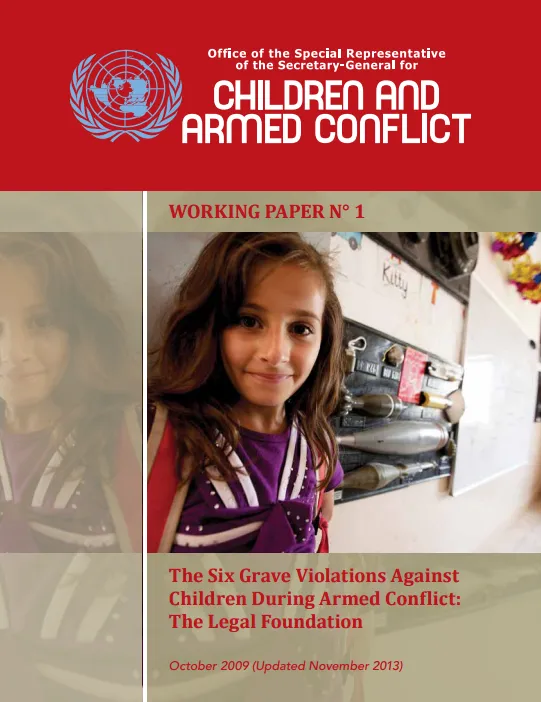
The peace disruption
The phrase child soldier can conceal the full abuse. Armed forces and groups may use children as fighters, cooks, messengers, porters, guards or spies. Girls may face additional gender-based violence. Some children are abducted; others are threatened, manipulated, impoverished or pushed towards armed groups for survival.
Between 2005 and 2022, the United Nations verified more than 105,000 cases of children recruited and used in conflict, while recognising that the actual number was likely higher. UNICEF: Children Recruited by Armed Groups
The initiative
Reintegration does not end when a weapon is surrendered. UNICEF-supported programmes may combine:
- release from the armed actor;
- family tracing and reunification where safe;
- physical and mental-health support;
- return to school or accelerated learning;
- vocational education for older adolescents;
- community preparation and mediation;
- protection from re-recruitment;
- long-term work against stigma.
Why it is a peace initiative
A released child may still be feared, rejected or labelled permanently by the community. Reintegration asks society to hold two truths together: harm may have occurred, and the recruited child was also subjected to grave exploitation. Restoring childhood requires accountability for recruiters without transferring collective blame onto the child.
Refined Inquiry Question
How can a community acknowledge harm, protect survivors and welcome a formerly recruited child without defining that child forever by what an armed group forced or manipulated them to do?
12. When Science returns a Name to the Missing
The Argentine Forensic Anthropology Team
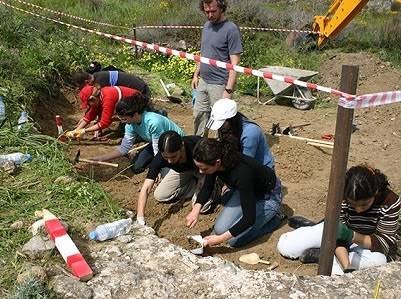
The peace disruption
Enforced disappearance creates a particular form of violence. A person is removed, while authorities may deny knowledge of their fate. Families cannot know whether to continue searching, mourn, seek a burial or pursue justice. Uncertainty itself becomes a continuing punishment.
The initiative
The Argentine Forensic Anthropology Team, known as EAAF, uses archaeology, anthropology, documentary research, witness information, genetics and other forensic methods to search for, recover and identify people who disappeared. Its specialists return identified remains to families where possible and provide evidence for judicial processes concerning human-rights violations.
The team’s work grew from the need to investigate disappearances associated with Argentina’s military dictatorship and later expanded internationally. In Argentina alone, EAAF reports identifying more than 850 disappeared people. EAAF: About the Team
Why it is a peace initiative
Forensic truth resists both erasure and political manipulation. It replaces rumour with testable evidence, restores individuality to people reduced to anonymous remains and gives families answers that official narratives may have denied.
The work also requires exceptional ethical care: DNA and family information must be protected, cultural practices must be respected, and scientific findings must not be exaggerated beyond what the evidence establishes. The ICRC similarly uses humanitarian forensics to search for missing people and protect the dignity of the dead. ICRC: Humanitarian Forensics
Refined Inquiry Question
How can forensic science restore dignity, truth and accountability after disappearance while protecting families, cultural practices and sensitive personal data?
13. Interrupting Violence before it leaves the Screen
#defyhatenow — South Sudan
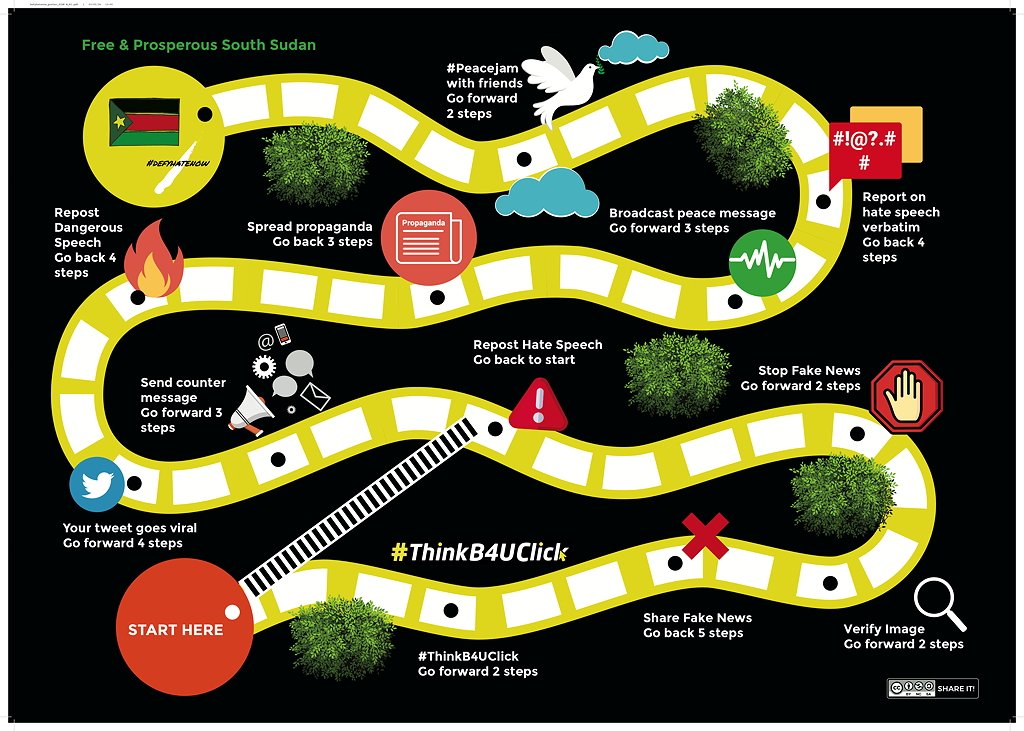
The peace disruption
Conflict does not begin only with weapons. Repeated rumours, ethnic insults, manipulated images and claims that an entire group is dangerous can prepare people to accept exclusion or violence. Social-media systems can accelerate this process because emotional content travels quickly, context disappears and repetition creates the illusion of truth.
The initiative
#defyhatenow develops locally grounded approaches to identifying and countering online hate speech, disinformation and incitement. Its work in South Sudan has included social-media literacy, fact-checking, community training, peace campaigns and resources that explain how locally specific expressions can intensify hostility.
The initiative does not simply tell users to “be kind online.” It asks them to examine:
- the history carried by a particular term;
- the group being targeted;
- the emotion the message is designed to trigger;
- whether the evidence can be independently verified;
- who benefits from rapid sharing;
- whether a corrective message might reduce harm without amplifying the original hate.
Why it is a peace initiative
A learner who pauses before sharing inflammatory content may interrupt a chain that connects false information, fear, collective blame and real-world harm.
Critical caution
Countering hate speech must not become an excuse to silence legitimate criticism. Learners must distinguish between attacking people because of identity, criticising the conduct of a government or armed group and investigating a disputed political claim.
Refined Inquiry Question
How can societies interrupt digital incitement without suppressing legitimate disagreement, political criticism or the public’s right to investigate those in power?
14. A Classroom that must remain Unseen
Afghan Women’s Community Learning Networks
The peace disruption
Restrictions on girls’ secondary and higher education in Afghanistan have denied learners far more than access to a school building. They affect intellectual freedom, future employment, participation in public life, the supply of women teachers and health professionals and a girl’s ability to make informed decisions about her own future.
The initiative
Since 2021, Afghan women educators have organised networks of small learning spaces, including classes held in private homes and supported through carefully managed resources. These classrooms have allowed some girls to continue studying despite the formal restrictions. Their locations and identities may need to remain confidential for the protection of educators, learners and families. Underground Schools in Afghanistan
Why it is a peace initiative
These educators defend education as a human right, but the model must never be presented as an adequate replacement for an accessible national school system. Courageous informal classrooms may protect learning temporarily; they do not remove the structural injustice that forces education into secrecy.
Ethical classroom rule
Students should study the architecture and meaning of the initiative without seeking operational details that could expose participants to danger.
Refined Inquiry Question
What does it reveal about power when education must become secret, and how should the world support learners without increasing the risks faced by those teaching them?